01
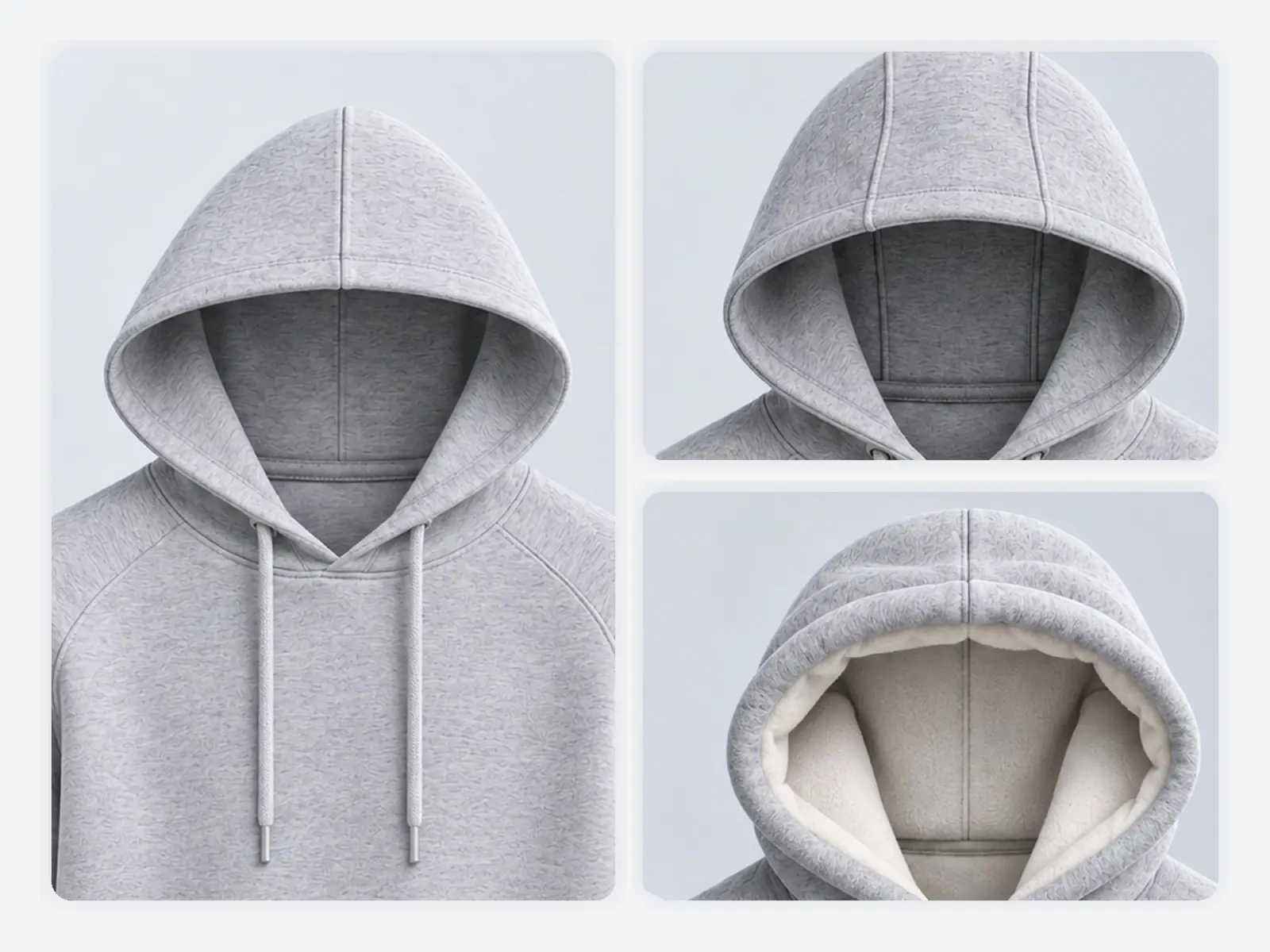
Hood Construction
Choose two-panel or three-panel shaping, hood lining and drawcord placement according to drape and intended look.
Create warm-up and sport-lifestyle layers around fabric weight, hood geometry, pocket design and proportion.
Made to Order · Warm-Up / Sport Lifestyle

Develop warm-up and sport-lifestyle layers with the right fabric weight, hood shape and closure details.

A pullover hoodie is developed as a balance of hood volume, neck opening, shoulder fit and front-pocket size. Heavy fabrics and relaxed silhouettes may need different hood and rib dimensions.

A zip-front style adds decisions about zipper length, front opening stability, pocket symmetry and hood-to-neckline junctions. The fabric, zipper tape and placket construction should be reviewed together.

A crewneck sweatshirt shifts attention toward neck-rib recovery, shoulder drop, body volume and cuff balance. The same body fabric can deliver noticeably different silhouettes through pattern choices.

A quarter-zip style needs a defined collar height, zipper termination and inner facing. Evaluate how the opened and closed necklines sit in wear before confirming the sample.

A hoodie is not defined by GSM alone. Hood lining, number of panels, drawcord system, rib recovery and pocket construction shape the wearing experience.
Choose two-panel or three-panel shaping, hood lining and drawcord placement according to drape and intended look.

Evaluate French terry, brushed fleece or other knits by hand feel, silhouette and seasonal use; GSM alone does not prove warmth or quality.

Confirm rib recovery, hem tension, zipper waviness and wash-related dimensional change at sample stage.
A heavier hoodie is not automatically a better hoodie. Warmth, drape, breathability, recovery after washing and hood shape may change the outcome. For a warm-up layer, the relationship between body length, cuffs, zipper and movement matters as much as GSM. Compare approved fabric and construction together.

Category-specific notes. Full fabric, technique and branding details live on their specialist pages.
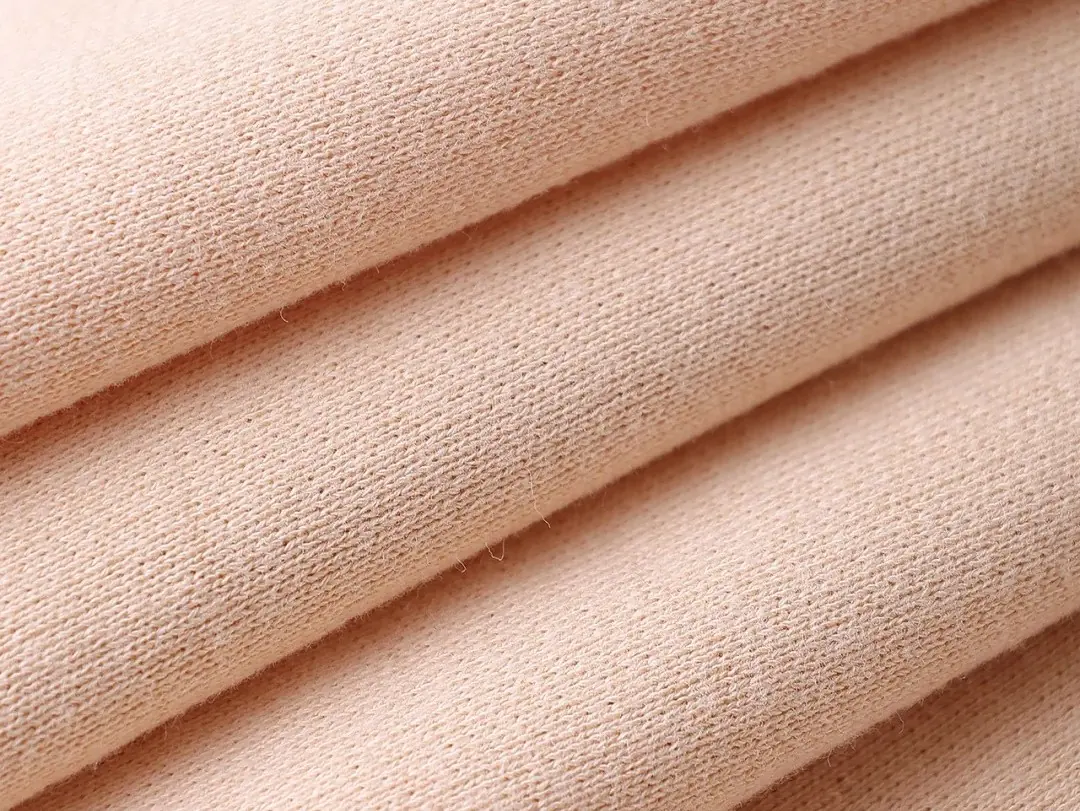
French terry, brushed fleece, cotton blends and selected interlock or bonded knits can be compared by bulk, hand feel, warmth requirement and wash behavior.
Final fabric choice should be reviewed with reference samples, hand feel, available colors and the specified use; GSM and performance are confirmed per material.
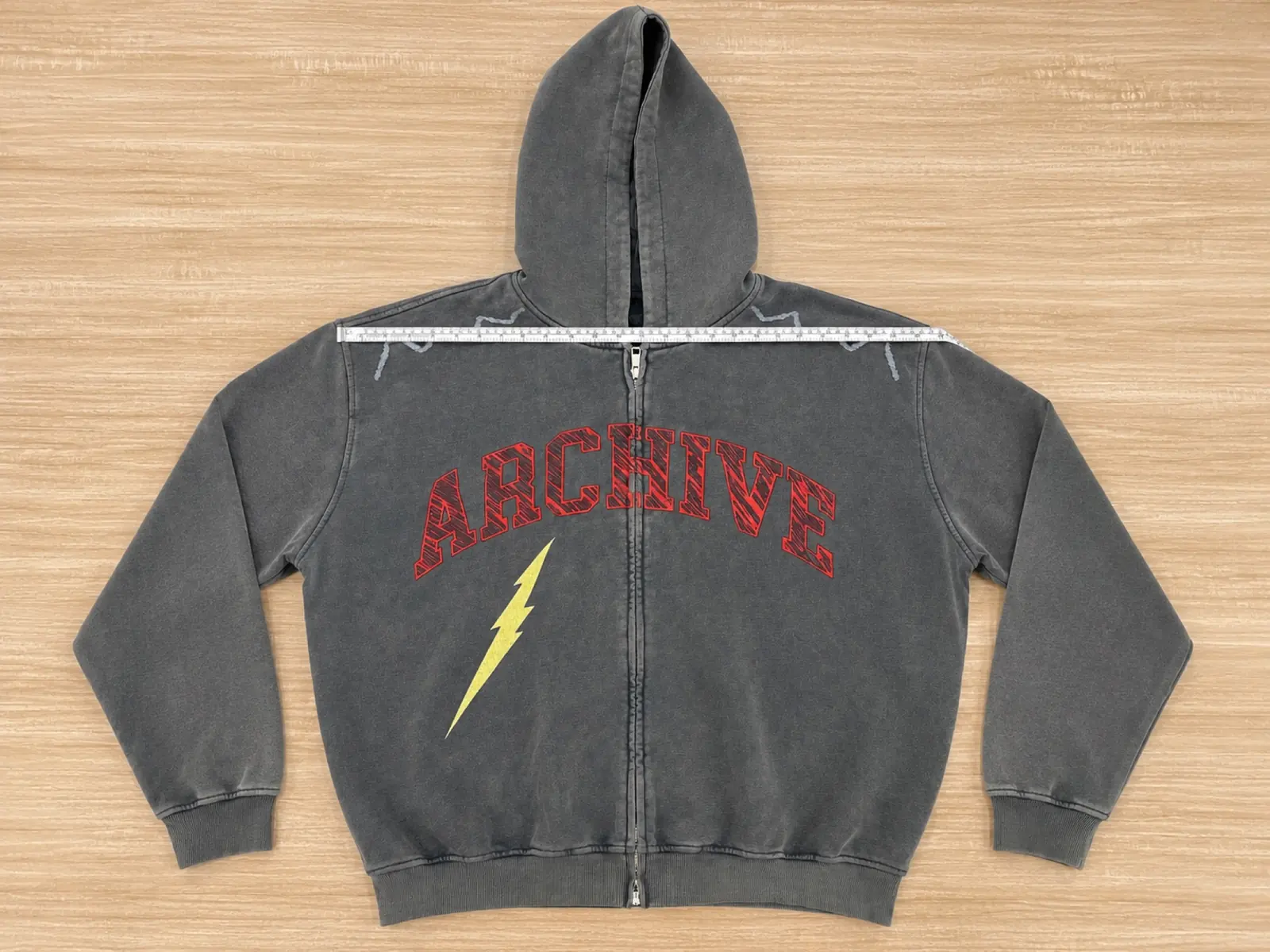
Confirm reference size, chest or waist, garment length, opening and activity allowance using a measured reference and sample—not size labels alone.
Share a target Pantone reference or physical swatch if available. We review suitable supplier colors or custom color-development options where feasible.
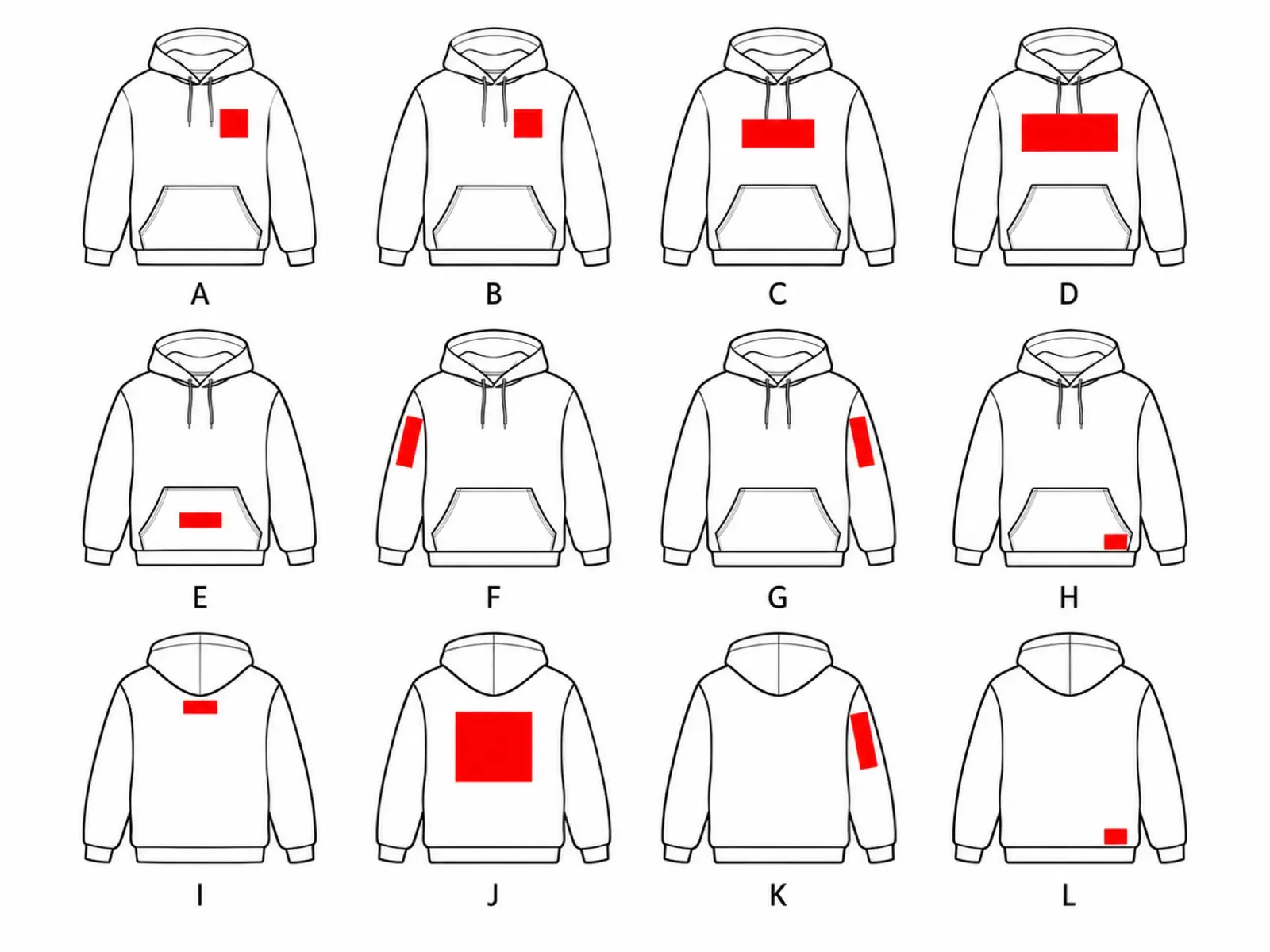
Embroidery, patches and prints should be assessed with fabric thickness and location; oversized designs require a sample check for drape.
Main labels, size labels, care labels, hangtags and packaging can follow one approved brand specification for the range.
Example only: share a product direction and reference, review materials and technical details, develop a sample, confirm measurements and artwork, then approve the production reference.


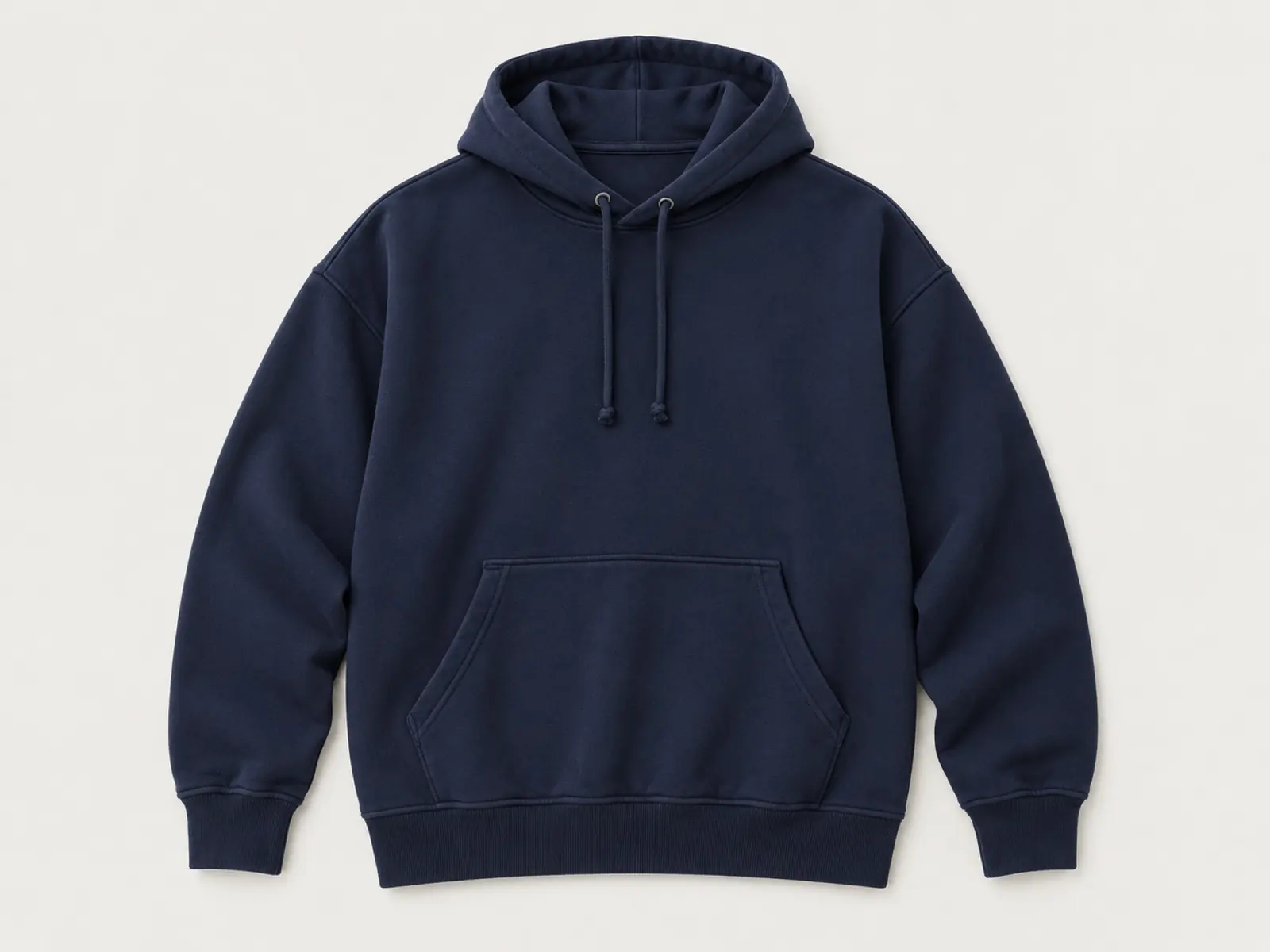
Details that help us review your Hoodies & Sweatshirts project. Anything not yet decided can be marked “Not Sure Yet” in the project form.
Project minimums start from 50 pieces for applicable styles; final quantities depend on design, fabric, color and production requirements.
Not covered here? Send your project and ask us directly.
Two-panel, three-panel, lined and selected specialty hood options can be reviewed against the design and fabric.
Yes, they can share a collection direction while their front structure and measurement specifications are developed separately.
Consider intended climate, garment shape, warmth, hand feel and the reference sample—not GSM in isolation.
It is a new construction variant, not only an added zipper. The center front, pocket layout, placket and hood neckline require pattern review and sample approval.
No. Yarn, knit structure, finishing, shrinkage behavior and fit strongly affect the final result. Fabric samples and garment prototypes should guide the decision.

Send your design direction, quantity and references to begin a project review.