


Polyester Jersey
Often reviewed for training tees or tops. Evaluate knit structure, hand feel, opacity, stretch and any verified finishing.
The same fiber label can cover very different knit structures, weights and surface finishes. When assessing a fabric, start with composition but continue to construction, hand feel, stretch direction, recovery, opacity and intended care. A sample swatch is a reference point, not a substitute for a garment trial.

An expandable reference library—development directions, not stock fabrics. The technical topics below explain how to judge any of them.
Often reviewed for training tees or tops. Evaluate knit structure, hand feel, opacity, stretch and any verified finishing.
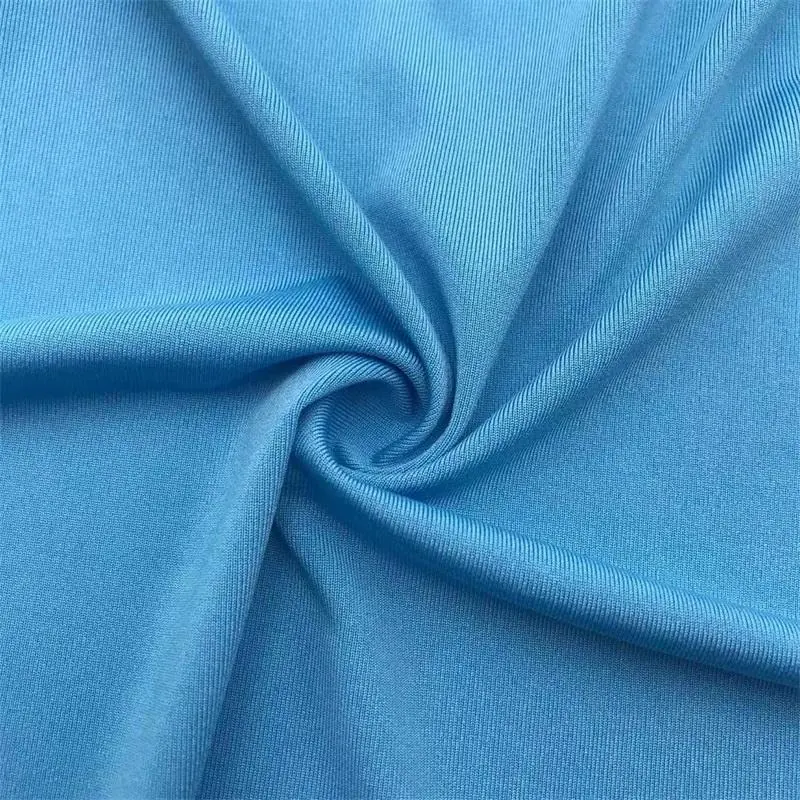
Useful when greater stretch is needed in selected tops or liners. Check stretch recovery, fabric stability and suitable seam construction.

A possible direction for lightweight outer layers and shorts. Review weight, surface feel, durability needs and any proven resistance finish.

Can support mobility in selected shorts or training pieces. Assess stretch direction, recovery, opacity and pocket construction.
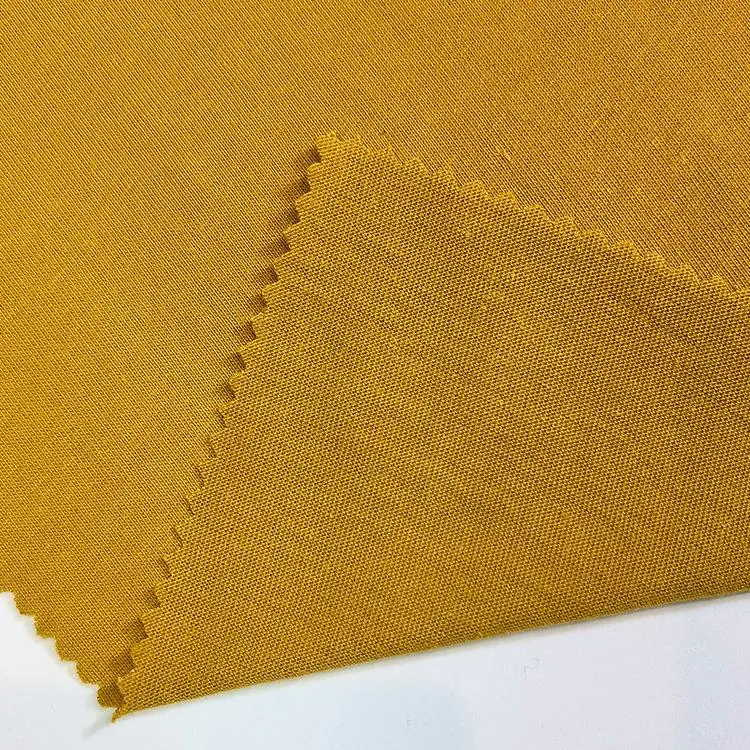
Often considered for sport-lifestyle tees or sweat layers. Balance hand feel, shape retention, shrinkage control and intended wear.
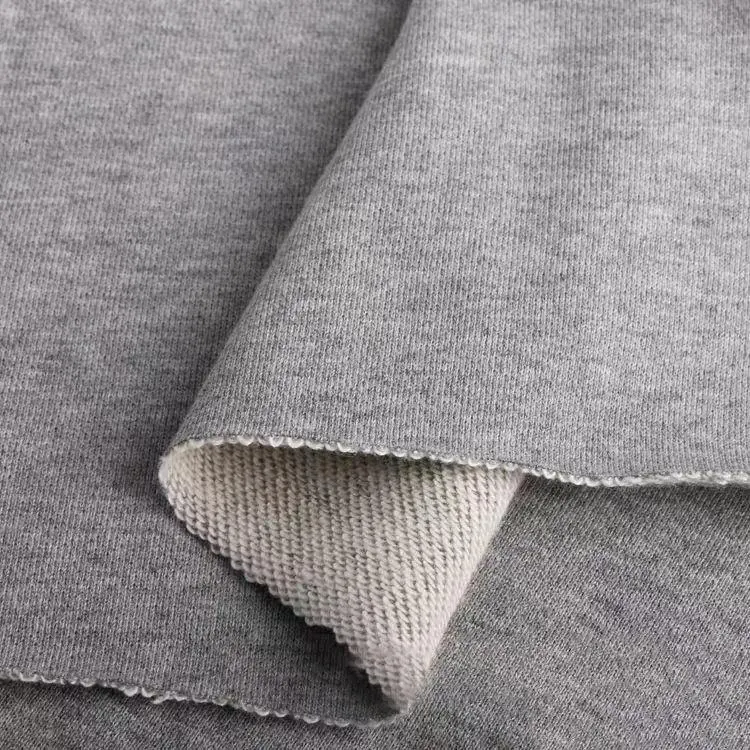
Loop-back knit often considered for hoodies and joggers. Review face texture, loop structure, weight, shrinkage and finishing.
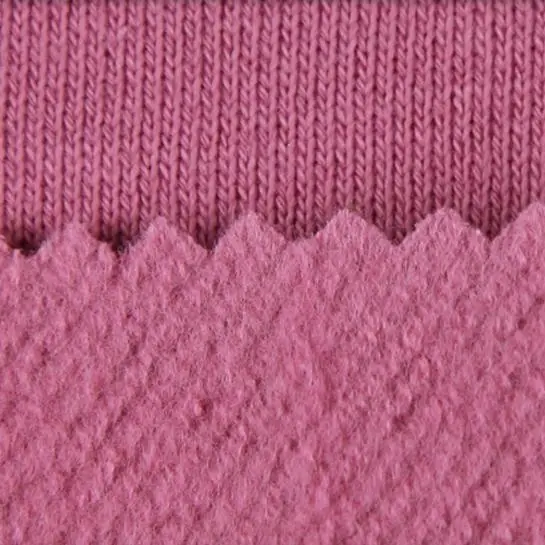
Selected for warmer layers when appropriate. Evaluate loft, hand feel, pilling behavior and product weight.
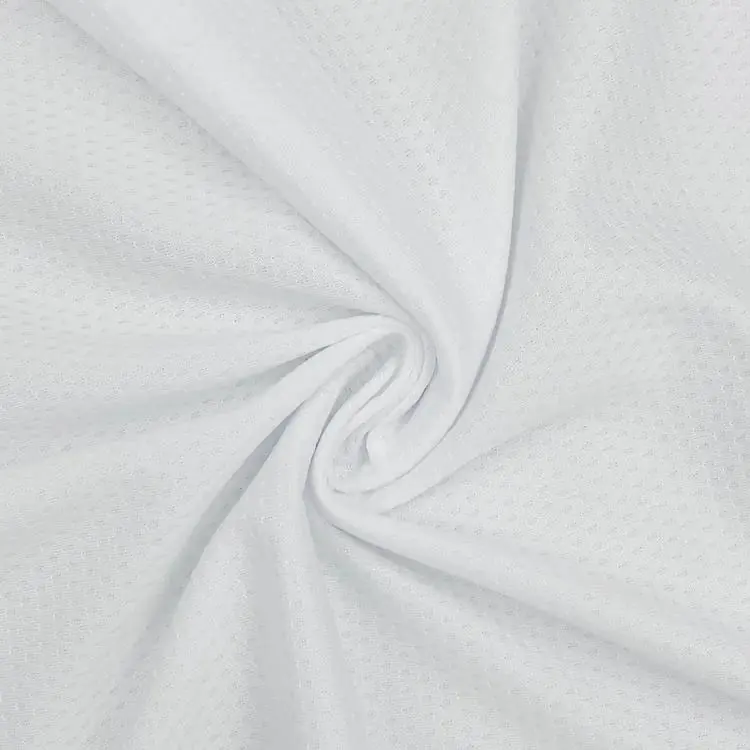
Used in select ventilation zones, liners or sports tops. Hole size, opacity, recovery and seam compatibility affect use.

A stable knit direction for certain tees, pants or sets. Assess structure, drape, hand feel and suitable GSM.
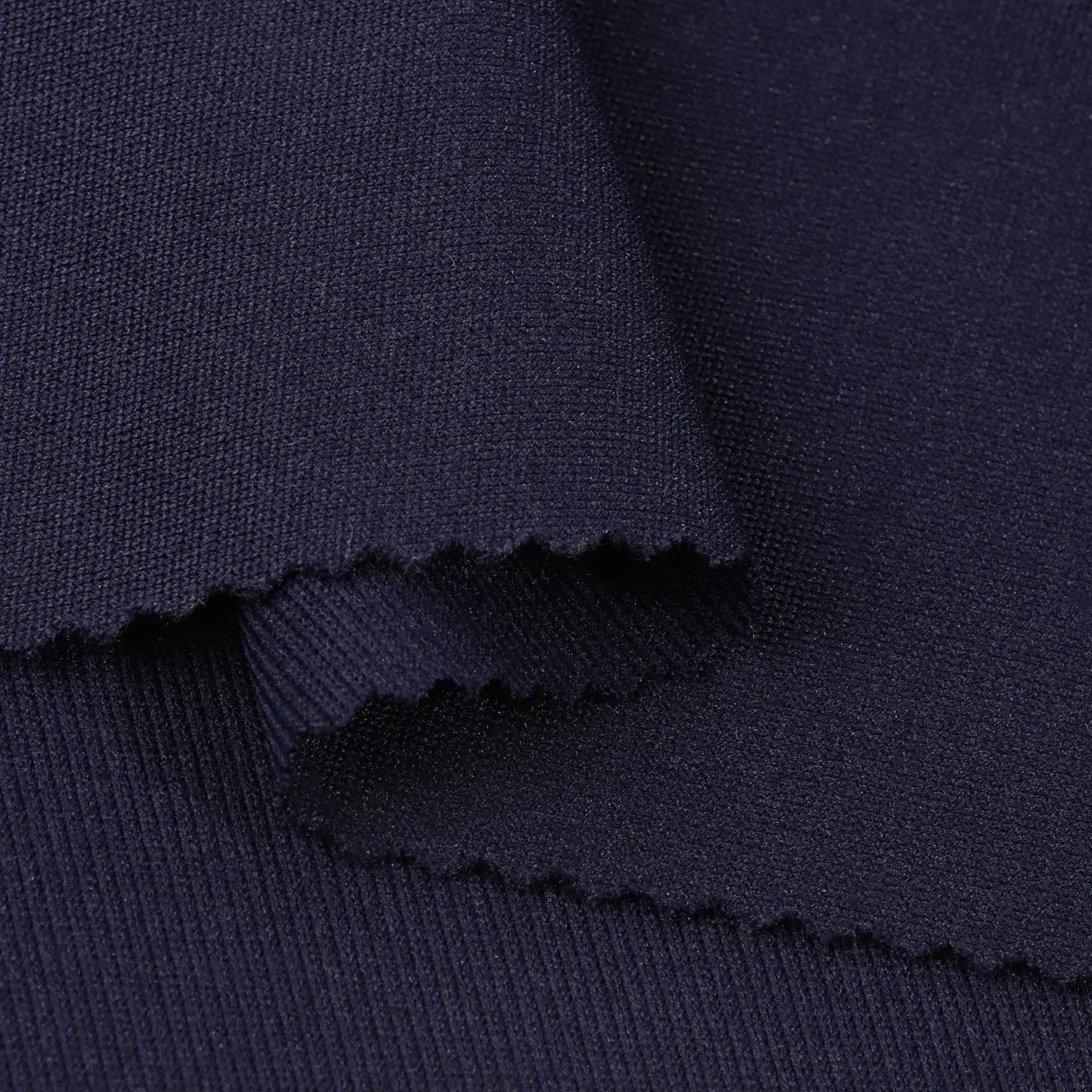
Warp-knit direction used in selected trackwear and linings. Review surface, stretch, weight and finish.

A woven reinforcement structure for selected shells. Review actual composition, tear behavior, weight and finishing evidence.

Consider for structured outer layers where bulk, movement, breathability and finish characteristics can be assessed.
Polyester-based materials can offer a wide range of constructions. Nylon-based options may suit selected shells and stretch garments. Cotton and cotton blends can support softer lifestyle directions. Blends containing elastane can create different stretch characteristics.


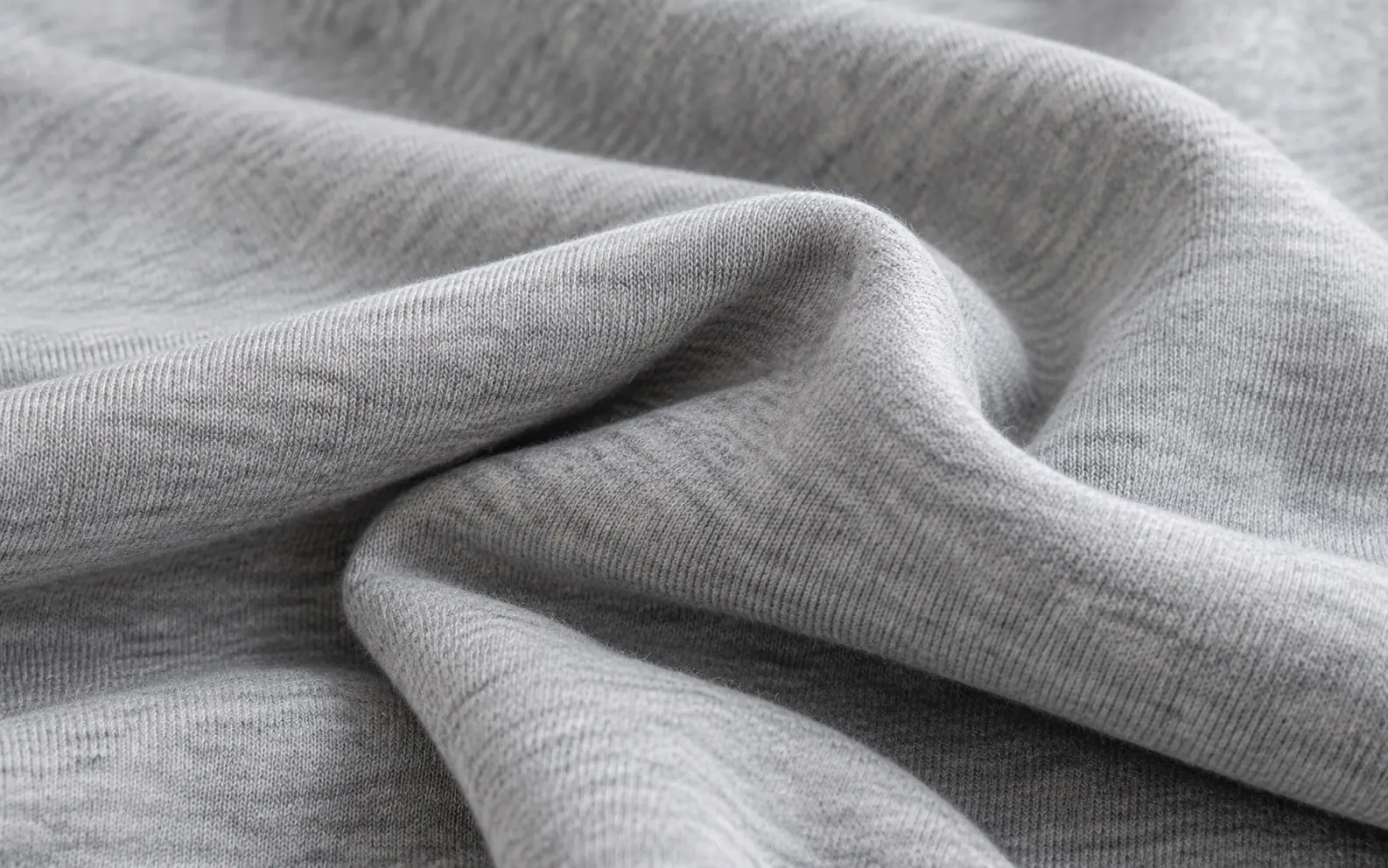

Knit structures and woven constructions influence drape, mechanical stretch, seam behavior and the finished silhouette in different ways. Bonded materials add another layer of construction variables. Choosing among them should follow the product concept and the expected movement rather than a generic ranking of “better fabrics.”
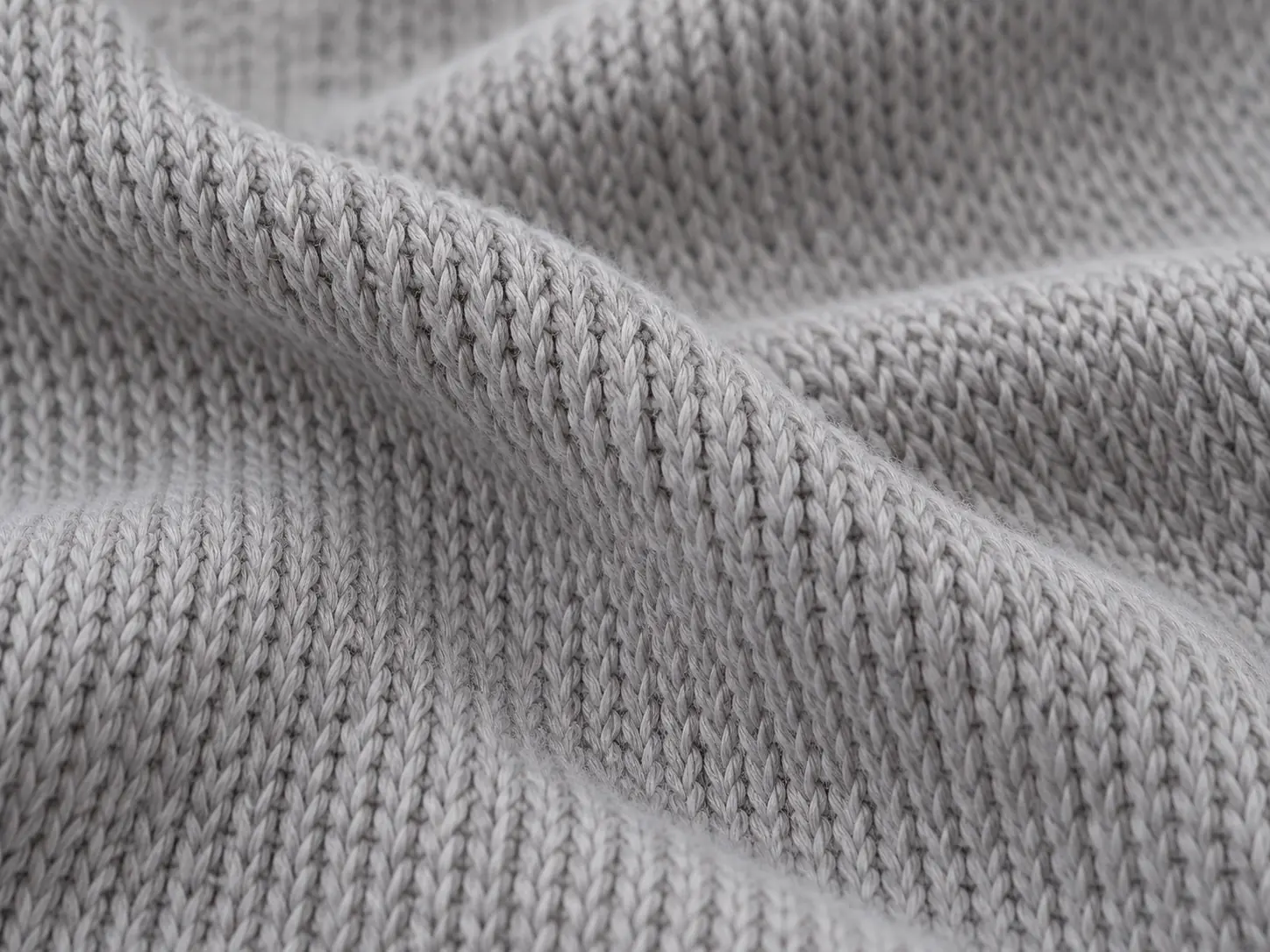
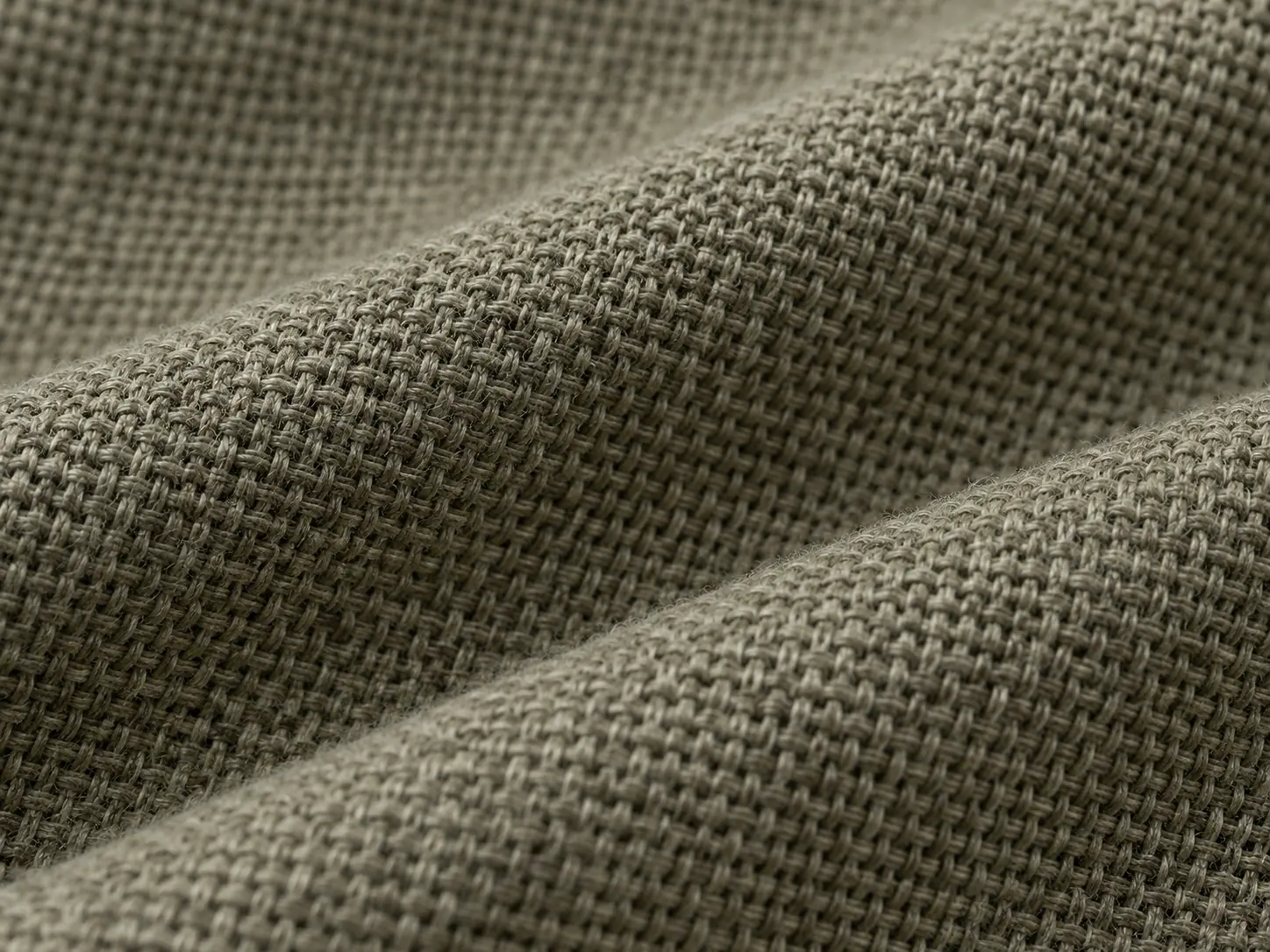
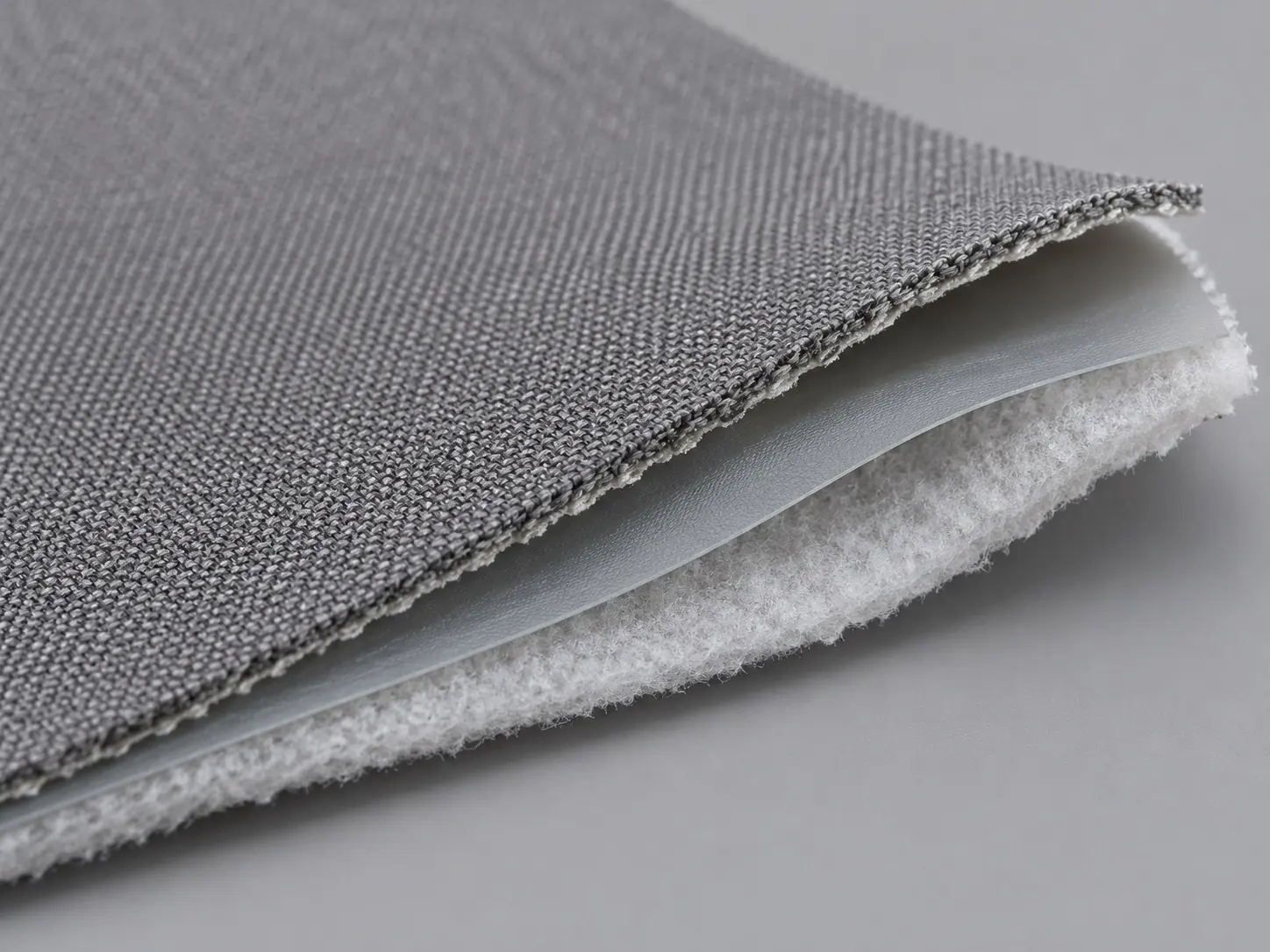
For sportswear, these factors should be evaluated together with garment fit and seam behavior.
| Measure | The Question It Answers |
|---|---|
| GSM | How much the fabric weighs per area |
| Stretch | How far it extends under specific conditions |
| Recovery | How well it returns toward its original dimension |

Build a shortlist based on the product’s purpose, then narrow it through actual material review.

A balance of outer fabric, lining and abrasion exposure.
ShortsIn coordinated collections, color references, material batches and different surface textures can affect perceived matching. Brands should identify acceptable coordination standards and review physical references where needed.


Can still differ in
The supporting test method, condition and product scope should be defined before these words are used in marketing.
| Claim | Define Before Use |
|---|---|
| Moisture-Wicking | Test method · Condition · Product scope |
| Water-Resistant | Test method · Condition · Product scope |
| Wind-Resistant | Test method · Condition · Product scope |
| UV-Protective | Test method · Condition · Product scope |
| Anti-Pilling | Test method · Condition · Product scope |

This keeps materials linked to the right garment and prevents assumptions from passing into production documentation.

It is unlikely to be optimal in all cases; different garments involve different movement, construction and appearance priorities.
Color references and approval steps should be agreed; physical swatches are recommended when exact matching matters.

Send the product, intended use and any fabric references you already have.