01
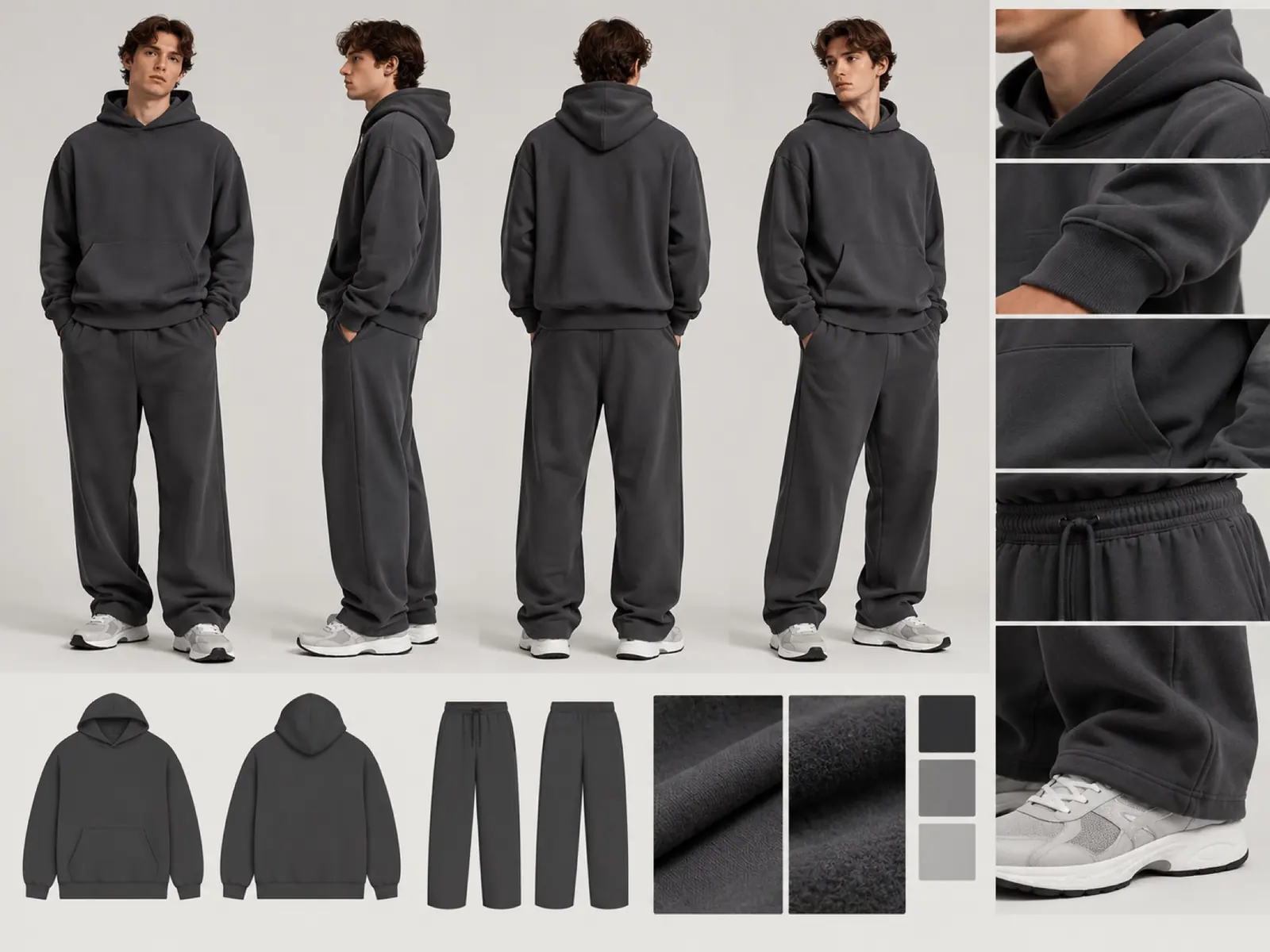
Cross-Garment Balance
Record top length, bottom rise, overall volume and intended styling as a system.
Develop complete sportswear looks with coordinated fabrics, colorways, sizing logic, trim choices and brand identity across garments.
Made to Order · Training / Warm-Up / Lifestyle

Develop coordinated sportswear sets with consistent fabric systems, color direction, sizing and brand details.

A training set connects top and bottom through a consistent material story, color palette and brand placement while allowing different fabric weights where practical.
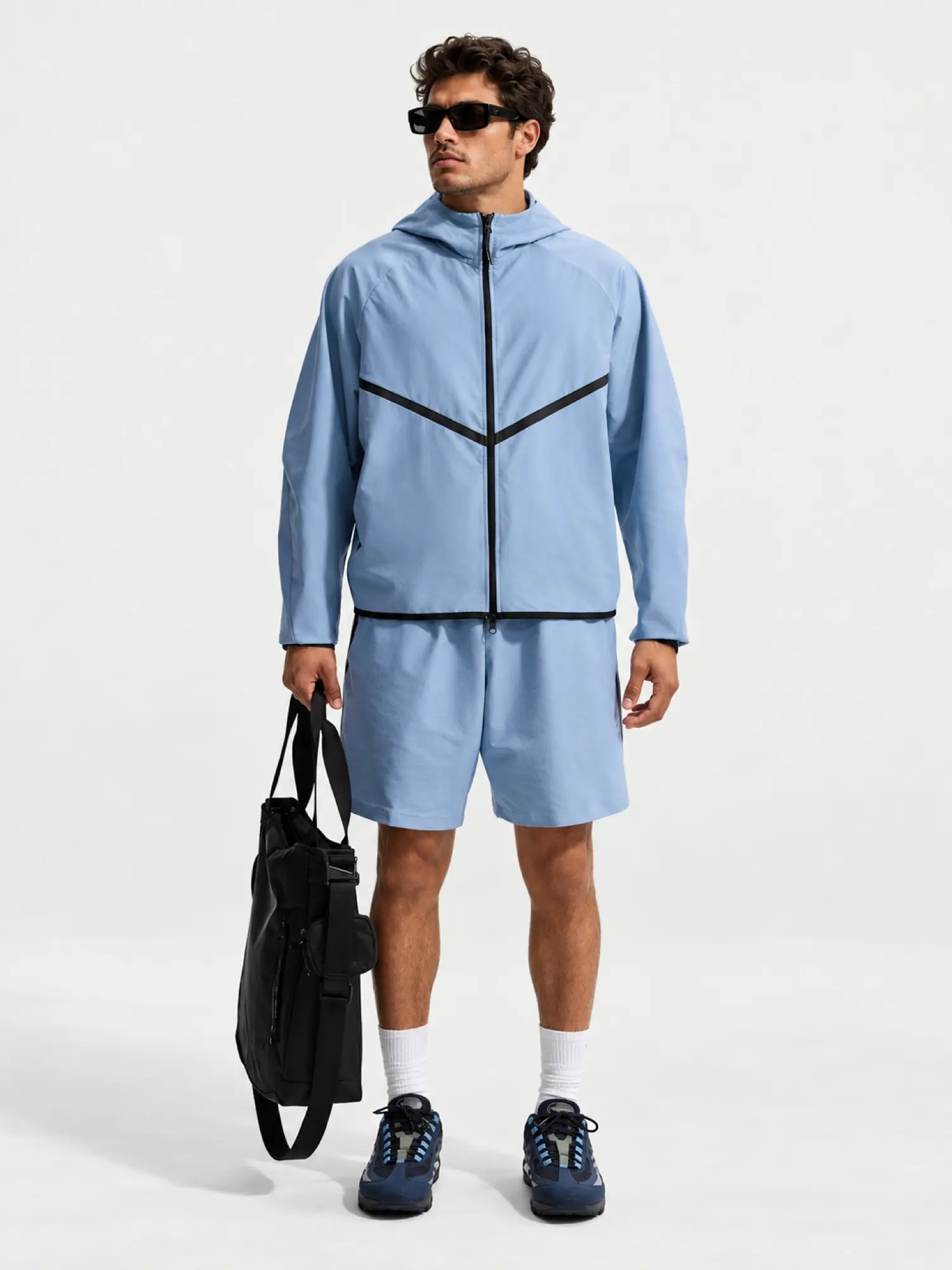
A warm-up set should balance jacket length, pant silhouette and layering ease. Review the complete look on one fit model rather than approving each piece only in isolation.

A hoodie-and-jogger set can emphasize comfort through matched fabric feel, compatible rib details and a repeatable size system. Exact color matching depends on material and dye conditions.

A capsule can combine tees, shorts, track layers and accessories. The objective is a coherent design language, not identical material across all pieces.

Build the collection around shared rules: intended wearer, size range, key colors, main artwork, trim finish and packaging. Individual garments can use different materials when their use requires it.
Record top length, bottom rise, overall volume and intended styling as a system.

Compare lab dips or samples across different fabric bases under agreed lighting where relevant.

Confirm size breakdown, shared artwork rules, label placement and packing as one collection.
A coordinated set does not require every piece to use the same fabric. A training top may need a lighter knit while joggers call for different drape or abrasion considerations. We coordinate color references, artwork positions, trims and packaging while allowing each garment to keep the construction needed for its purpose.

Category-specific notes. Full fabric, technique and branding details live on their specialist pages.
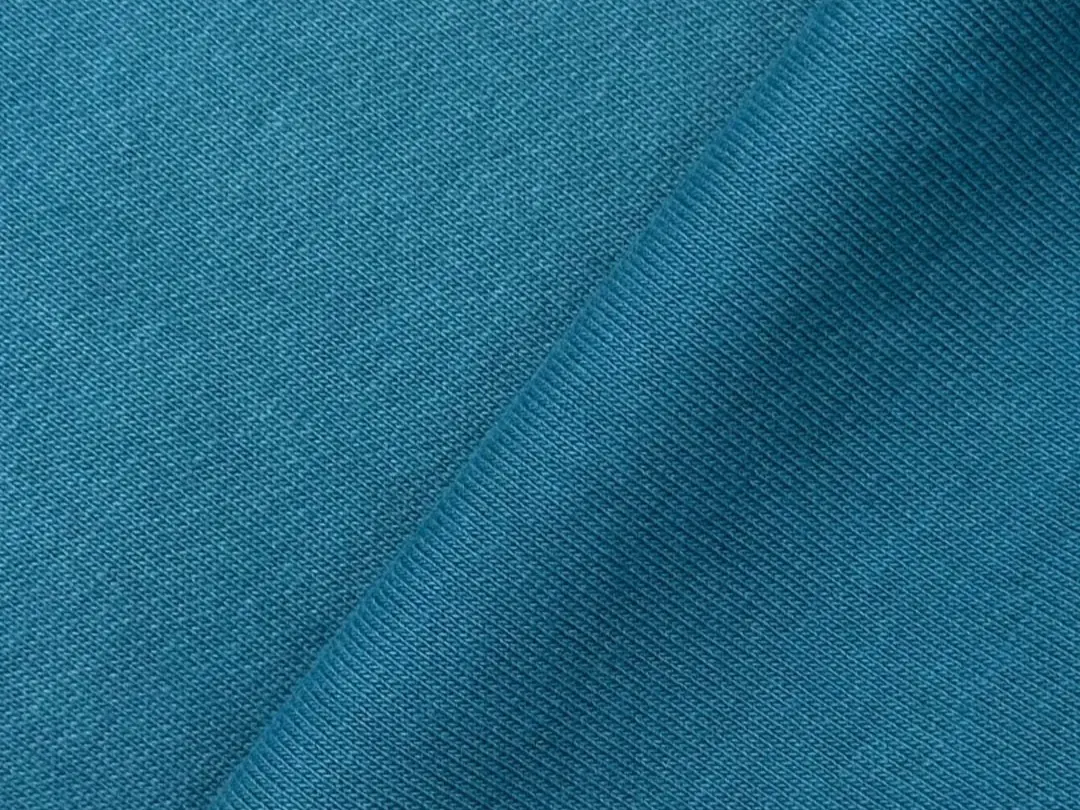
Fabric matching is about coordinated performance needs and appearance, not always identical fiber content or GSM across tops and bottoms.
Final fabric choice should be reviewed with reference samples, hand feel, available colors and the specified use; GSM and performance are confirmed per material.
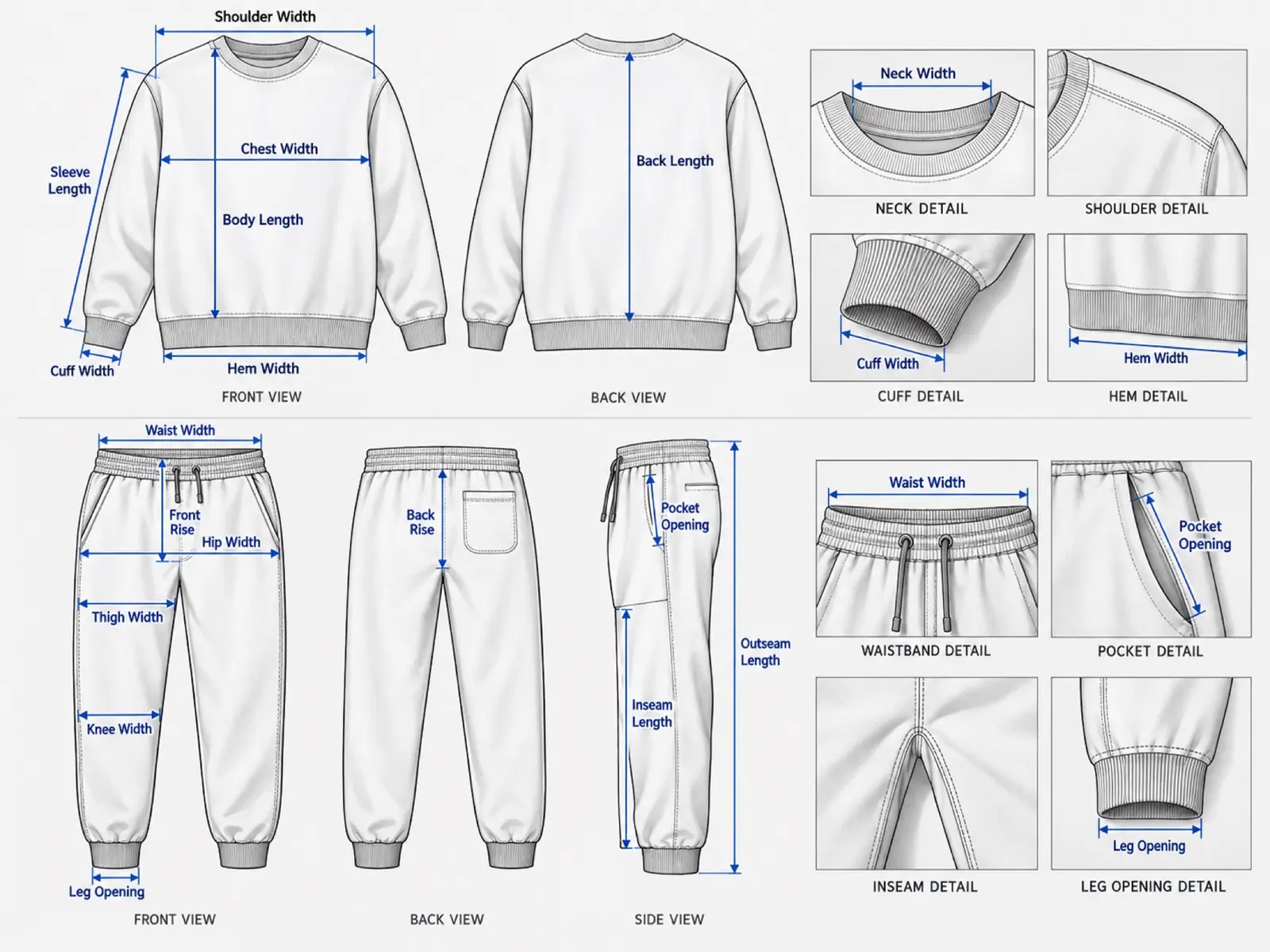
Confirm reference size, chest or waist, garment length, opening and activity allowance using a measured reference and sample—not size labels alone.
Share a target Pantone reference or physical swatch if available. We review suitable supplier colors or custom color-development options where feasible.
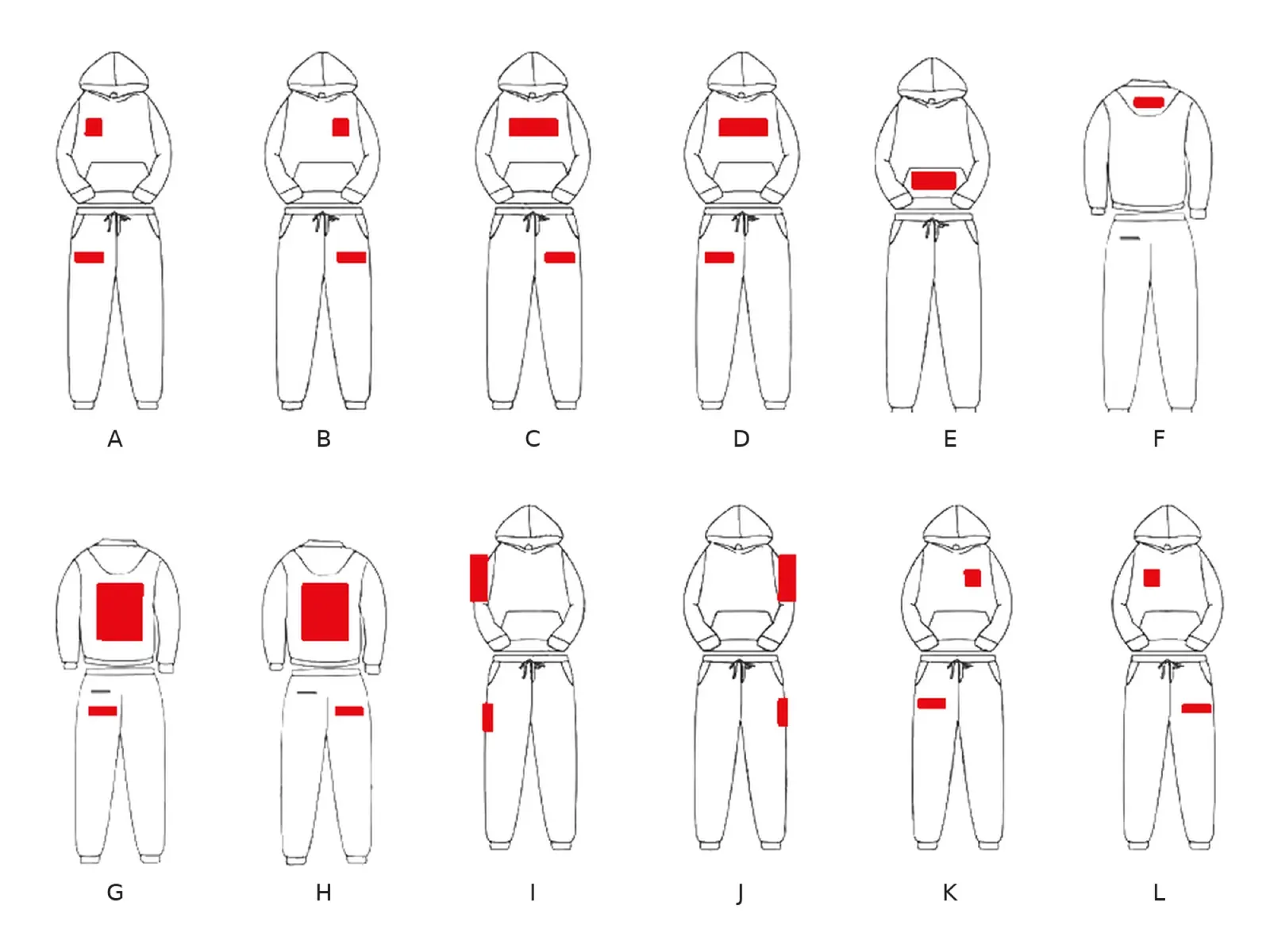
A brand placement map helps keep chest, sleeve, leg, labels and hangtags visually coherent across the range.
Main labels, size labels, care labels, hangtags and packaging can follow one approved brand specification for the range.
Example only: share a product direction and reference, review materials and technical details, develop a sample, confirm measurements and artwork, then approve the production reference.


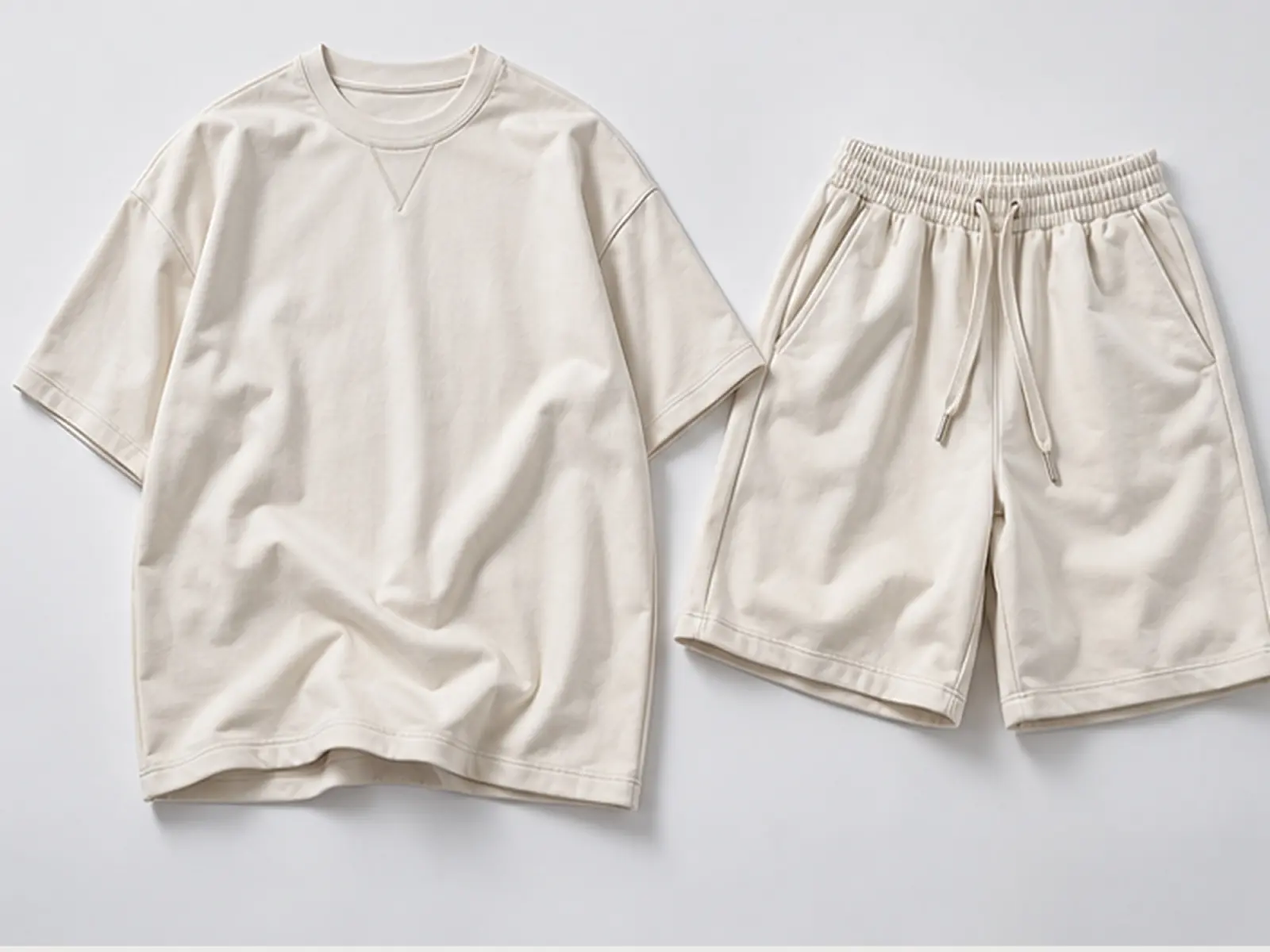
Details that help us review your Sports Sets project. Anything not yet decided can be marked “Not Sure Yet” in the project form.
Project minimums start from 50 pieces for applicable styles; final quantities depend on design, fabric, color and production requirements.
No. They should feel and look coordinated while meeting the different functional requirements of each garment.
A colorway plan can be reviewed against available materials, minimums and matching requirements.
Yes. Logo rules, labels, hangtags and packaging can be developed as one coherent brand system.
No. Different pieces may require different weights or constructions. Cohesion can come from color, design details and agreed garment hand feel.
Yes, subject to confirmed development capabilities. A collection plan should define common colors, fit direction, logo rules and how pieces are styled together.

Send your design direction, quantity and references to begin a project review.