

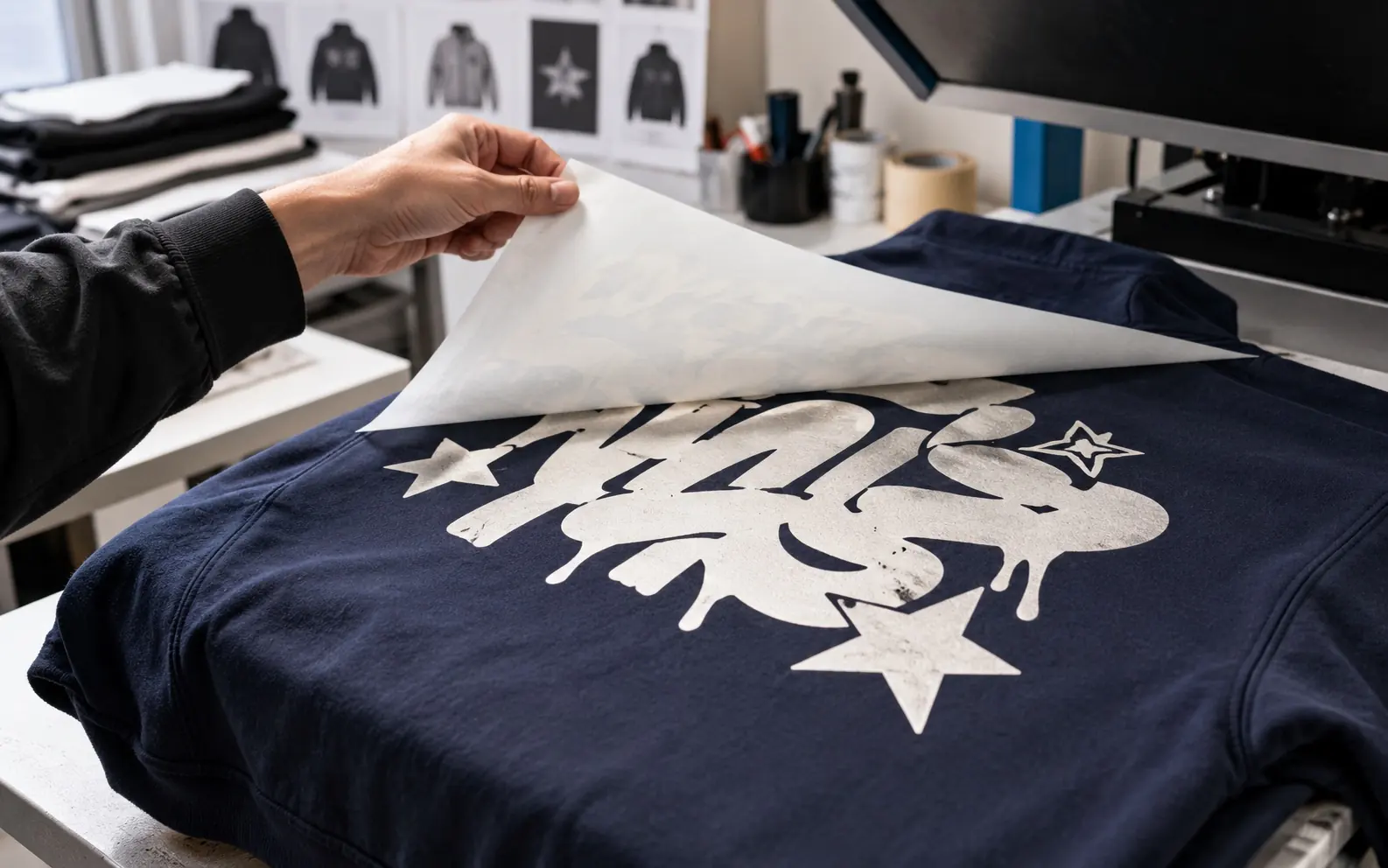
Flat
Soft, Low-Profile
A quiet graphic that sits close to the fabric.
A brand identity must survive the transition from a digital design to different garments, materials and trims. A coordinated approach starts by defining primary marks, secondary marks, placement logic and the visual tone of the collection rather than choosing decoration one item at a time.

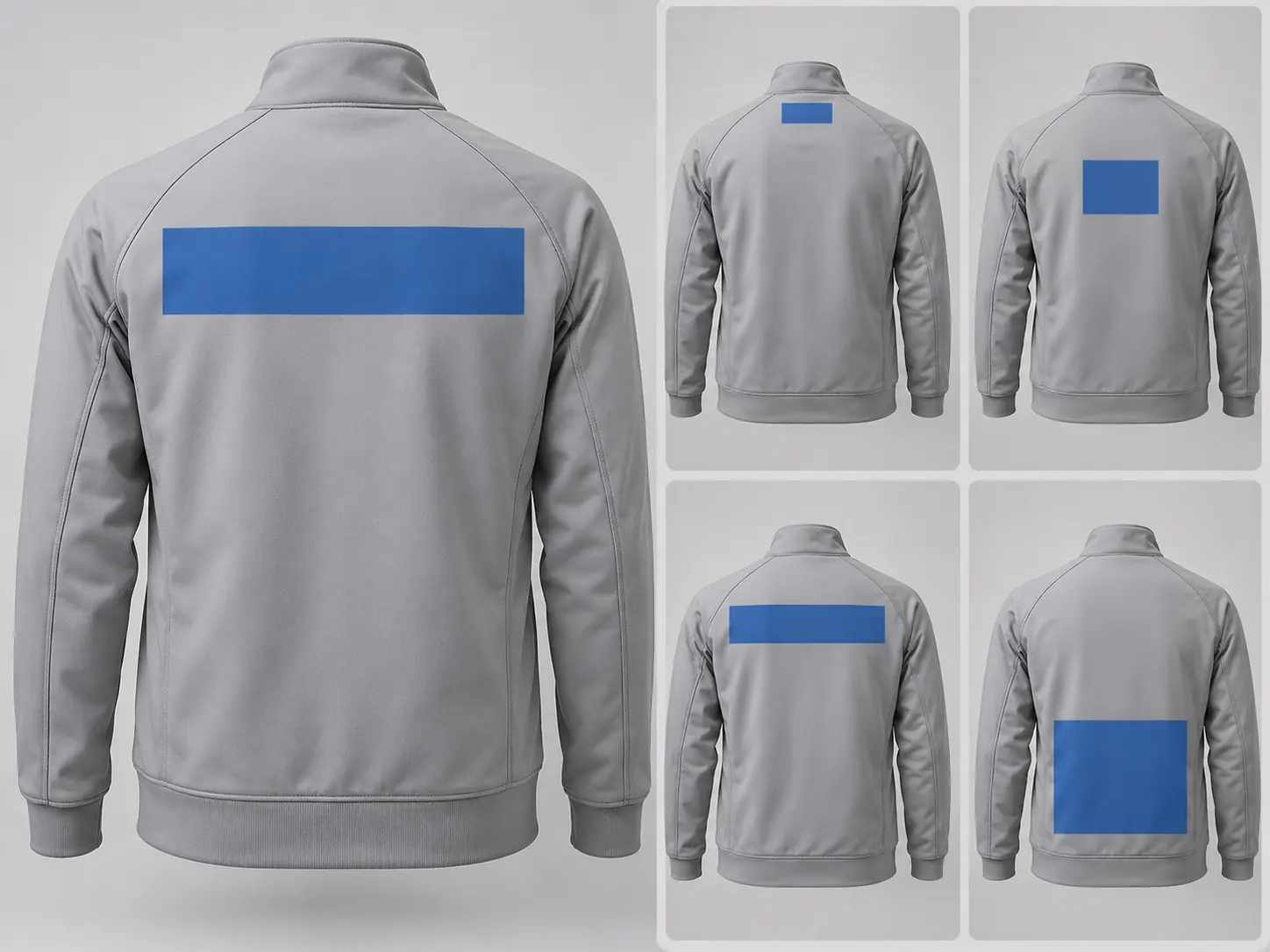
A chest logo, shorts leg graphic and jacket back print may belong to the same visual system without using identical sizes. Review artwork scale against garment dimensions, fabric behavior and the way each product is worn. Ask for placement measurements rather than relying only on mock-up screenshots.


A soft, low-profile graphic and a textured embroidered emblem communicate different brand impressions. Brands should specify the desired appearance, hand feel and longevity expectations first. Technical feasibility on the selected fabric is then assessed in Techniques & Finishes rather than repeated here.
A quiet graphic that sits close to the fabric.
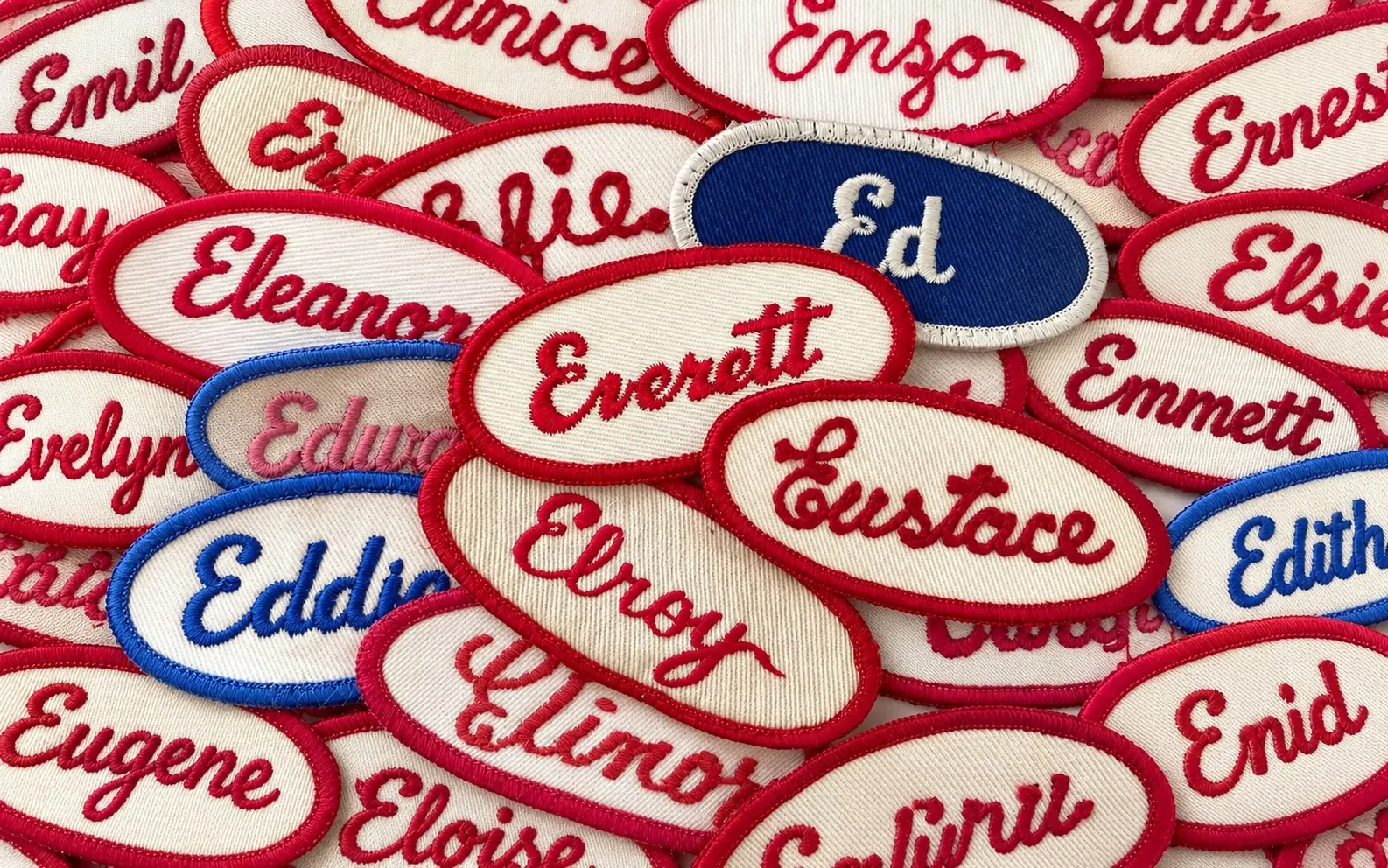
A raised, tactile mark with a crafted impression.
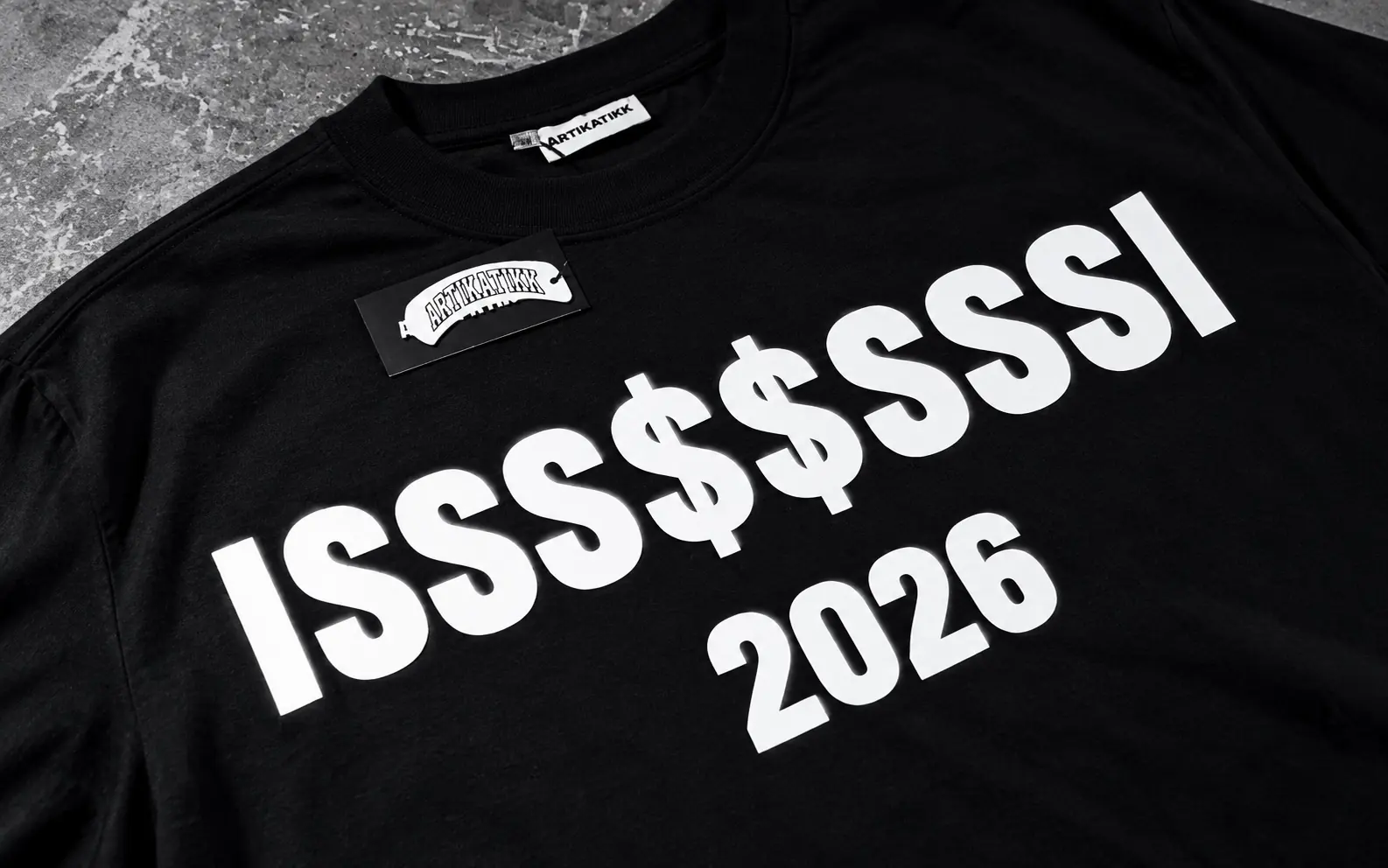
A design accent that responds to light.
A consistent identity system considers logo hierarchy, size readability, required care information and the positioning of each component.
| Component | Its Job |
|---|---|
| Main Label | Carries the primary mark and logo hierarchy |
| Size Label | Makes the size easy to read |
| Care Label | Carries required care information |
| Hangtag | Presents the product at point of sale |
Legally required labeling is reviewed for the intended market rather than assumed from a sample layout.

A premium unboxing experience may involve a branded bag, folded tissue or a printed carton, but packaging also needs to protect the product and suit the shipment. Define the desired brand presentation alongside folding method, packing ratio and carton marking requirements.


A training top and warm-up layer can share a graphic language while using different print locations or executions. Consistency is achieved through agreed artwork files, color references, placement rules and review checkpoints, not by forcing every garment into the same decoration process.
Confirm which files are final and which elements are only mood-board inspiration.

A consistent identity is possible, but technique, scale and placement may need adjustments after sample review.
These can be reviewed as part of a full-custom project; availability, specifications and minimums should be confirmed for the order.

Artwork, label text and packaging references help us review how your identity lands on each product.