

Synthetics
Polyester- & Nylon-Based
Both can be considered for activewear; results depend on yarn, construction and finishing.
Materials affect the hand feel, movement and construction of sportswear, but fiber names and fabric weight alone cannot predict the finished garment. A good material decision starts with the activity, intended fit, climate and expected appearance, then narrows the options for sampling.

Running tops may prioritize light weight, ventilation design and movement comfort. Training shorts can require attention to stretch, abrasion exposure and waistband compatibility. Warm-up layers may need structure and coverage, while athleisure emphasizes a balance of appearance, comfort and maintenance.
| Activity | Selection Focus |
|---|---|
| Running Tops | Light weight · Ventilation design · Movement comfort |
| Training Shorts | Stretch · Abrasion exposure · Waistband compatibility |
| Warm-Up Layers | Structure · Coverage · Openings |
| Athleisure | Appearance · Comfort · Maintenance |
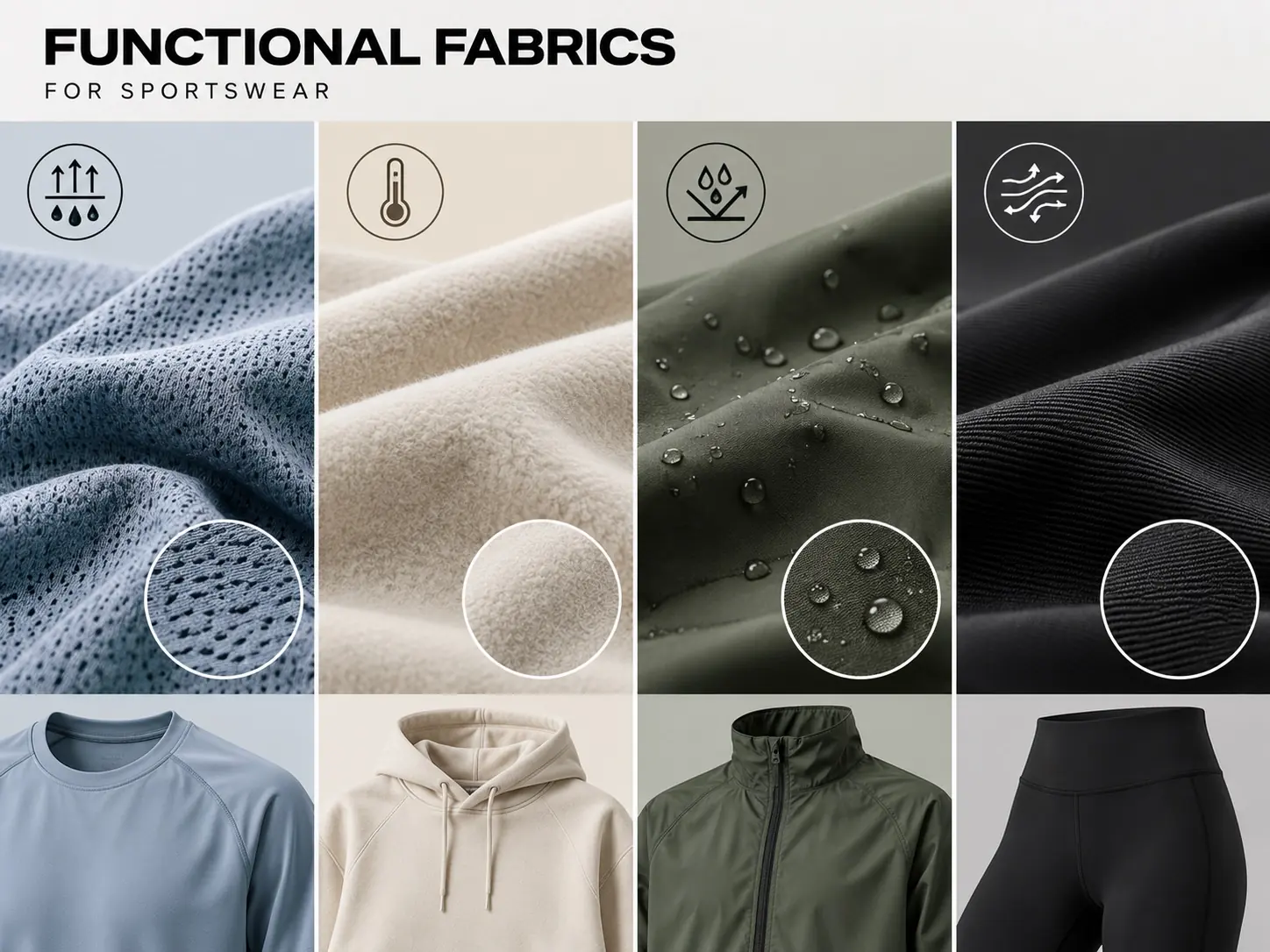
The finished performance depends on yarn, knit or weave, finishing and blend ratio. Use these as starting questions rather than promises of universal performance; specific materials are on the Sportswear Fabrics page.
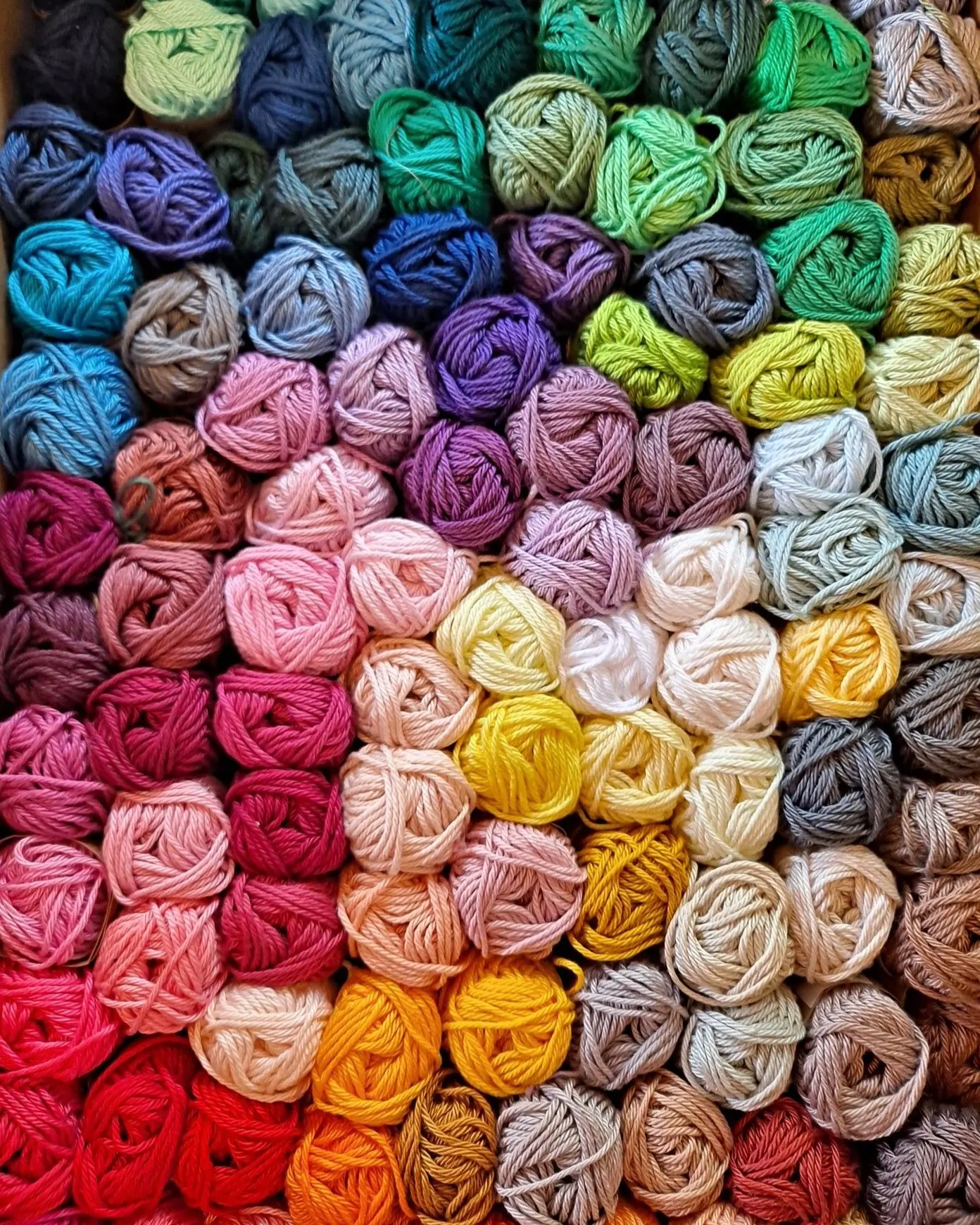
Both can be considered for activewear; results depend on yarn, construction and finishing.
Can suit some relaxed training and lifestyle concepts.
Change stretch behavior; recovery still needs checking.
Define what the brand wants to verify before describing a performance claim on the website or garment.
| Term | What It Tells You | What It Does Not |
|---|---|---|
| GSM | Mass per area | Overall quality |
| Stretch % | Extension under set conditions | Recovery by itself |
| Breathability, Wicking, Opacity | Each needs its own method or sample evaluation | Anything without evidence |
| Abrasion & Care Stability | Each needs its own method or sample evaluation | Anything without evidence |

A highly elastic knit may need different seam and edge construction from a stable woven shell. Outer fabric and liner combinations affect the handling of 2-in-1 shorts. Material decisions should therefore be reviewed together with seam placement, hems, openings and trims—pattern development details belong on the Product Development page.

Embroidery, transfers and printed graphics do not behave identically on light stretch knits and structured woven fabrics. Artwork density, placement and handling should be reviewed before sampling. The detailed technical choices belong in Techniques & Finishes.
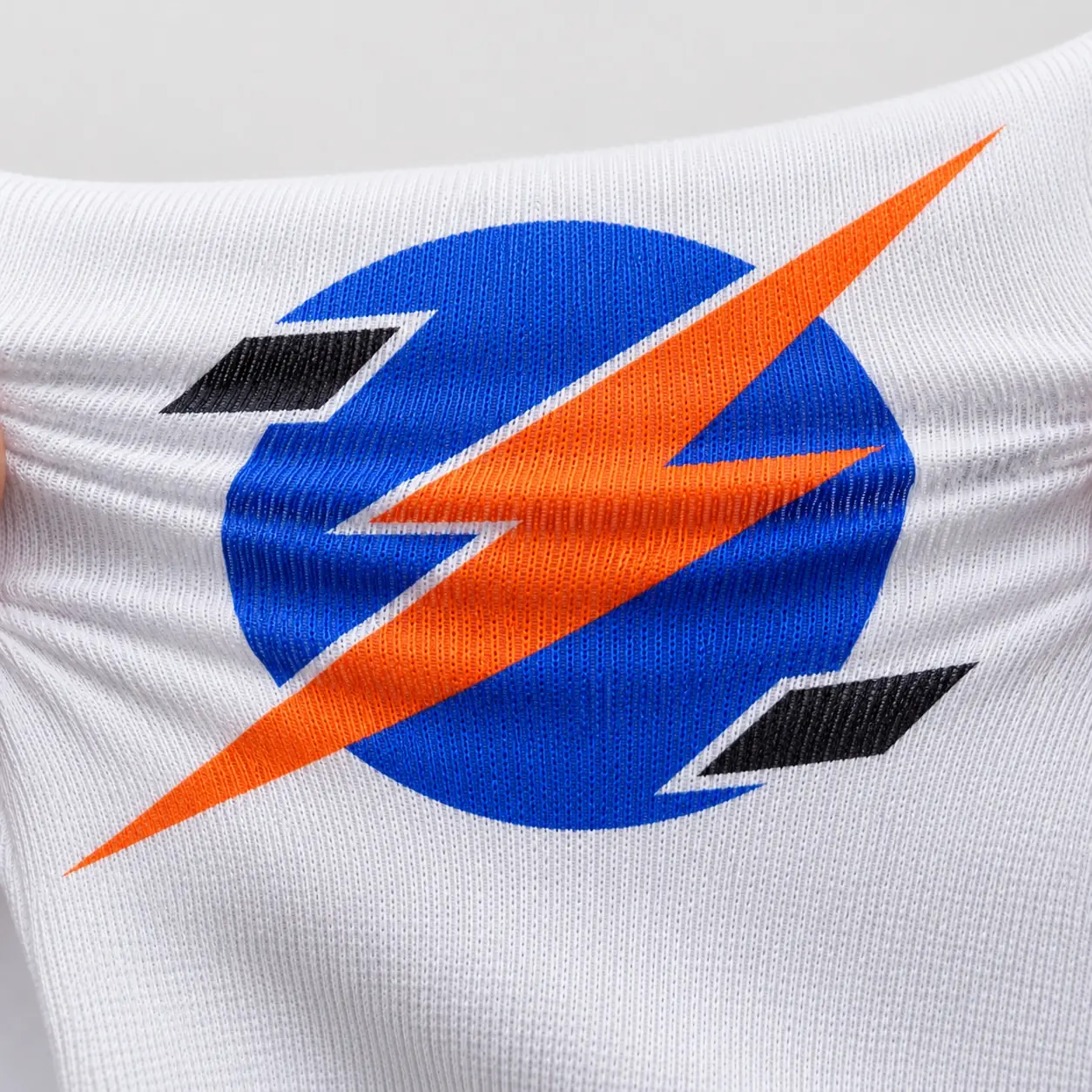
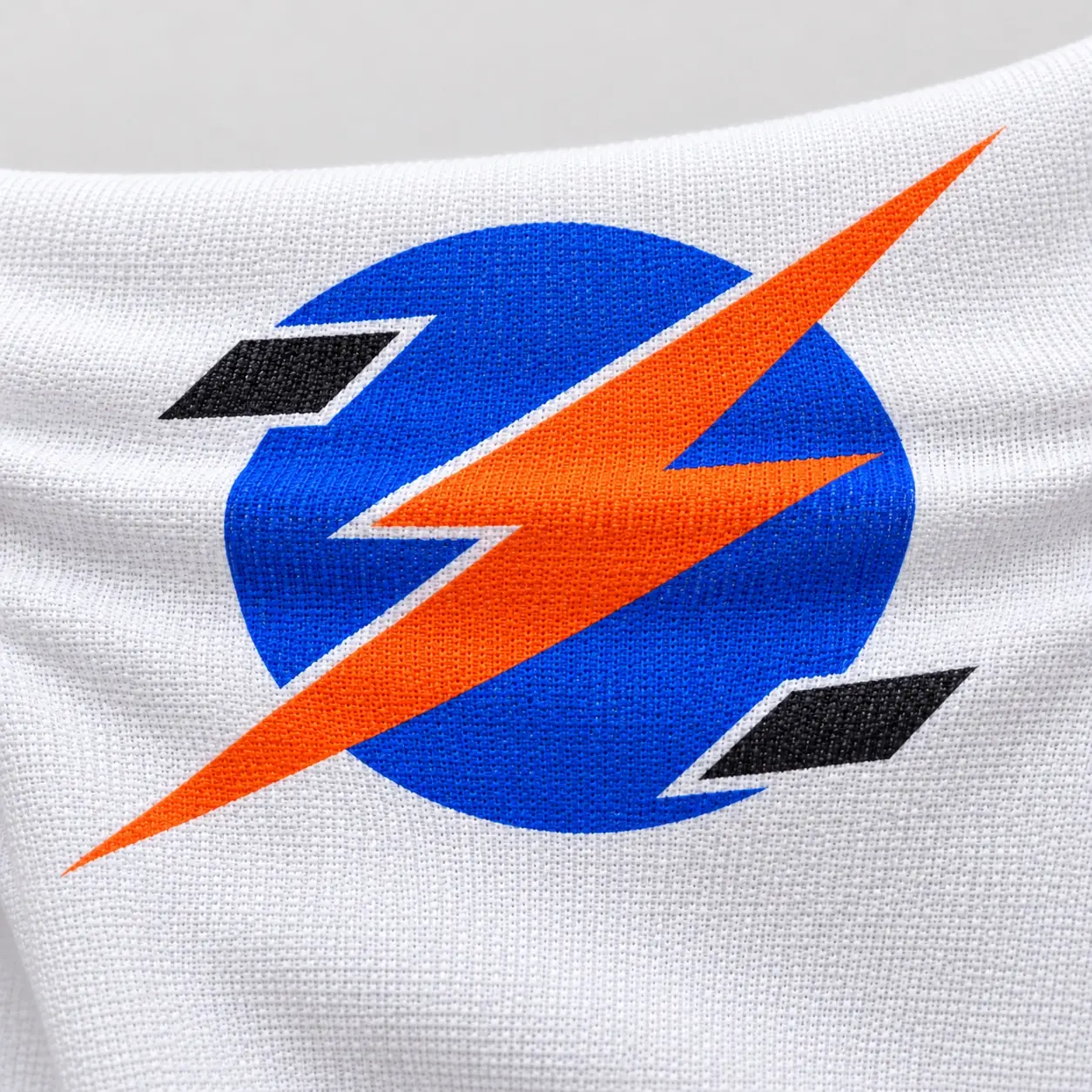
Can still differ in
Start with the intended wearing conditions, compare construction, and identify what needs to be tested or checked on a sample.
| Mistake | Instead |
|---|---|
| A heavier fabric is more durable or premium | Compare construction and wearing conditions, not weight alone |
| A stretchy swatch guarantees a comfortable garment | Check stretch, recovery and fit on the sample |
| A supplier color image is enough | Approve a physical color reference |

Clearly mark alternatives or open questions. Confirmed material references should be linked to the sample and development documents.

If you already have references, submit them together with your intended product use.
No. Fabric mass is only one variable. Suitability also depends on structure, intended use, stretch behavior, finishing and the garment design.
Any stated performance should be supported by suitable material documentation or agreed testing for the specific product.

Tell us the product, the activity and the feel you want—we review material and technique directions with you.

