


A men’s gym T-shirt can look excellent on a product page yet disappoint during a workout. A fabric may feel soft in the showroom but become heavy with sweat. Another may dry quickly but lack the hand feel a lifestyle-focused brand wants. The right choice starts with the customer’s actual use case—not simply a fiber name on the care label.
For sportswear buyers and emerging fitness brands, polyester, nylon and cotton are familiar starting points. In practice, fiber blends, knit structures, finishing treatments and garment design work together. This guide explains how to evaluate those variables before approving a collection.
1. What should men’s gym clothing do?
Start by defining the activity: strength training, outdoor running, studio training, recovery, commuting or everyday athleisure. A breathable lightweight training top has different priorities from a substantial cotton-rich pump-cover shirt. A jogger also needs different abrasion resistance, stretch recovery and opacity than a sleeveless top.
Ask your team which matters most: sweat management, softness, stretch, durability, weight, cost, opacity, shape retention or the desired silhouette. Rank the priorities before requesting swatches.
2. Polyester: versatile for sweat-focused training
Polyester is widely used in performance clothing because it is durable, typically dries relatively quickly and can be engineered into lightweight knits. Unlike absorbent cotton fibers, polyester takes up relatively little moisture within the fiber itself. Moisture management still depends on yarn shape, knit construction and finishes; “polyester” alone does not guarantee good wicking.
It often works well for running tops, performance T-shirts and training shorts. Depending on the chosen construction, buyers should also evaluate odor retention, static, pilling and the fabric’s hand feel. Request samples in the actual color and finished weight rather than choosing from a generic description.

3. Nylon: smooth hand feel with useful durability
Nylon (polyamide) is often selected for smooth, resilient fabrics and garments exposed to repeated movement or friction. Nylon-spandex blends are familiar in fitted performance apparel, but a nylon-rich fabric is not automatically more breathable than polyester. Knit density, elastane content, finishes and garment fit substantially affect wear performance.
For men’s training products, consider nylon-rich blends when a smooth hand, close fit or flexible movement is part of the design brief. Check pilling, snagging, dimensional stability and shade consistency in development samples.

4. Cotton: a strong choice for comfort and athleisure
Cotton offers a soft, familiar feel and can support a premium heavyweight aesthetic. It is particularly relevant to relaxed gym T-shirts, oversized pump covers and casual sets. Its trade-off is moisture absorption: an all-cotton top may feel wet and dry more slowly during intense activity than many engineered synthetic options.
Cotton-rich blends can balance everyday comfort with added resilience. If the brand prioritizes a structured drape over rapid drying, cotton may be the right commercial choice—not an inferior one.
5. Where does spandex fit?
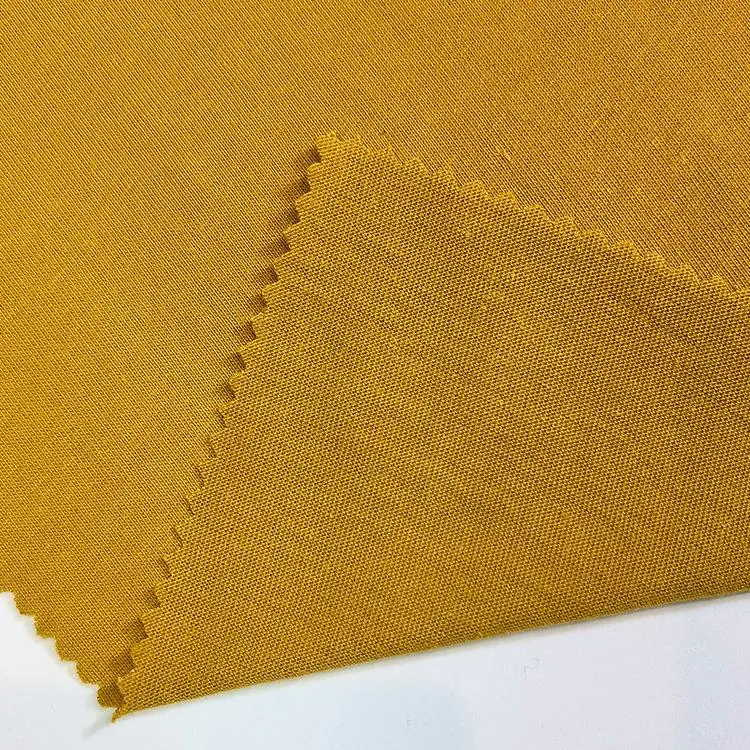
Spandex (also called elastane) is usually blended with a main fiber to add stretch and recovery. More stretch is not always better. A garment that stretches too freely may lose its intended structure, while insufficient recovery can lead to baggy knees or elbows. Evaluate stretch in the relevant directions and after repeated wash-and-wear cycles.

Quick comparison: choose by project, not by slogan
| Material option | Typical strengths | Buyer watch-outs | Common use cases |
|---|---|---|---|
| Polyester-rich knit | Fast-drying potential; versatile textures | Wicking varies by construction; odor/hand feel | Running tops, training tees |
| Nylon-rich blend | Smooth feel; good abrasion potential | Price, pilling, density, drying behavior | Fitted training tops, technical pieces |
| Cotton-rich knit | Softness; substantial casual look | Moisture uptake; shrinkage and drying time | Oversized gym tees, athleisure |
| Fiber + elastane | Stretch and recovery | Heat sensitivity and recovery over time | Fitted tops, joggers, flexible panels |
6. Does GSM determine fabric quality?
GSM means grams per square meter. It tells you fabric mass per area—not fiber quality, breathability or durability by itself. A 180 GSM tightly knitted fabric and a 180 GSM open-mesh fabric will behave differently. A 240 GSM cotton jersey can have a structured appearance, while a lighter technical knit may feel more appropriate for running.
When comparing GSM values, also compare knit type, yarn, composition, finishing, opacity and stretch. For a reliable decision, request swatches and sample garments; review the intended look under normal lighting and after washing.
7. Match the fabric to the product
| Product | Starting fabric direction | Questions to test |
|---|---|---|
| Running T-shirt | Lightweight polyester-rich performance knit | Drying, chafe, airflow, print compatibility |
| Gym training tee | Polyester blend or cotton-rich jersey, by brand positioning | Range of motion, sweat appearance, hand feel |
| Training shorts | Durable woven or knit; optional stretch blend | Abrasion, pocket security, waistband comfort |
| Joggers | Cotton-rich French terry or stretch performance knit | Knee bagging, shrinkage, recovery |
| Athleisure top | Cotton-rich or engineered blend | Silhouette, washing, surface finish |
8. What should you check before bulk production?
Approve fabric and construction as a system. Ask for composition and target GSM tolerances; review shrinkage after the care process you intend to recommend; check colorfastness, pilling, print or embroidery compatibility, and fit after wash. The exact tests and pass criteria should be agreed with the supplier based on product use and destination market requirements.
Try the sample on a moving model rather than evaluating only on a hanger. A good training top should be assessed during overhead reaches, squats and repeated wear, while jogging bottoms benefit from movement and pocket-use checks. Document approved fabric, measurements, colors, trims and workmanship in the pre-production specification.

Conclusion: the best fabric is the one that fits the product brief
There is no single winner between polyester, nylon and cotton. A run-focused label may prefer an engineered polyester knit; a studio or fitted-training line may choose a nylon-elastane blend; and a lifestyle gym brand may favor a heavyweight cotton jersey. Define the product goal, inspect real samples and make decisions against agreed criteria.
Planning a men’s trainingwear range? Share your target products, fabric references, expected quantities and design files with RUIXING Sportswear. Our team can review the brief and discuss your sportswear project and appropriate development options.
Frequently Asked Questions
Is polyester or cotton better for gym T-shirts?
Polyester-rich performance knits often suit sweat-intensive workouts, while cotton can suit relaxed training or lifestyle garments. The better choice depends on desired hand feel, drying, weight and brand position.
Is higher GSM always better for men’s gym wear?
No. GSM measures fabric mass per area. A higher number is not a stand-alone measure of durability, softness or performance.
What is the difference between nylon and polyester sportswear?
Both are common synthetics, but their feel and behavior depend heavily on construction and finishing. Compare actual swatches and finished samples for the intended product.
Should gym apparel include spandex?
Only when the product needs stretch and recovery. The right amount depends on fit, construction, desired compression and wear expectations.