

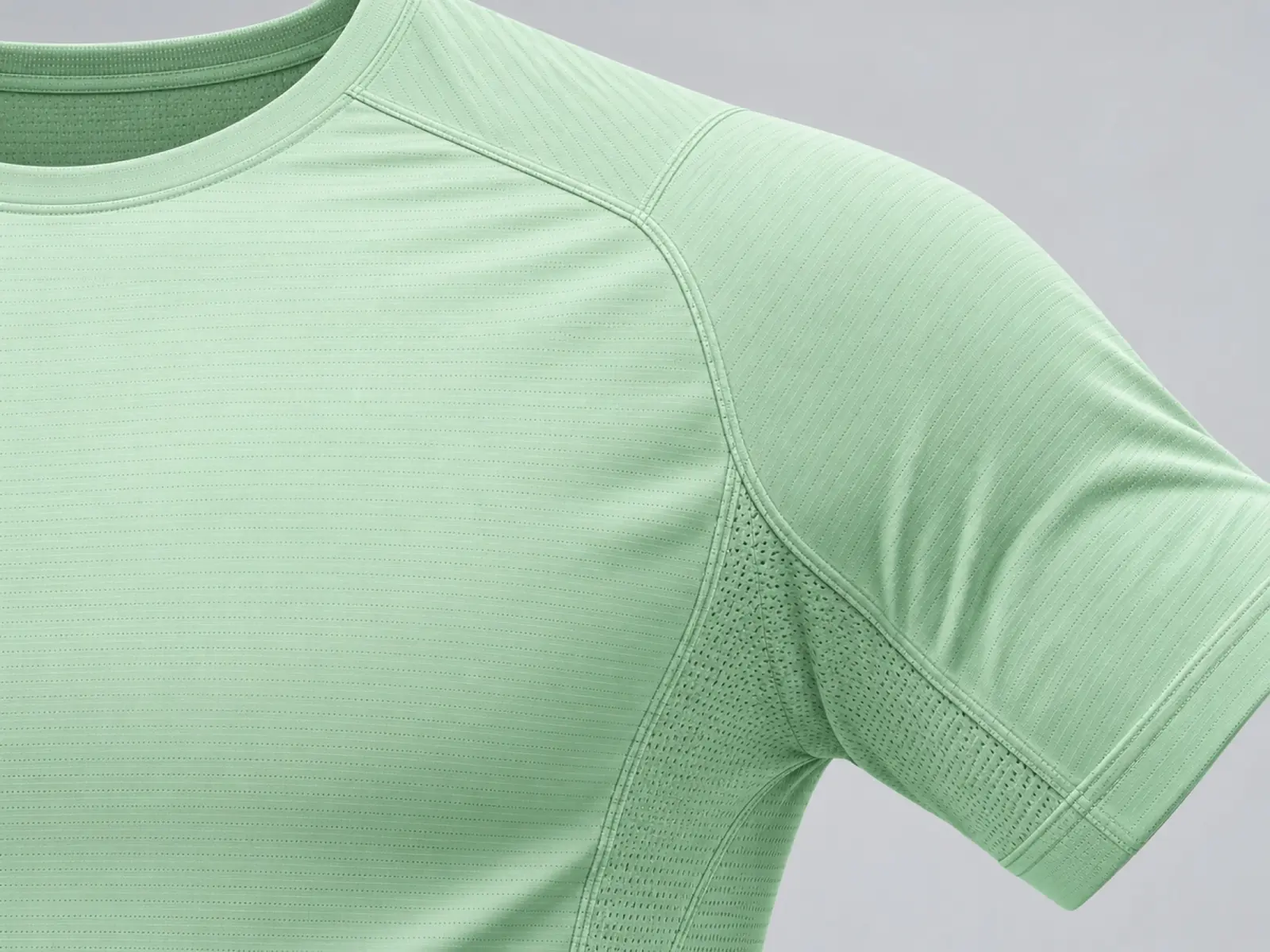
01
Sleeve and Armhole Balance
Underarm ease should support reach and overhead movement without creating excessive fabric bunching.
Develop training and performance-inspired tops around neckline, panel placement, garment balance and stitch construction.
Made to Order · Training / Running / Gym
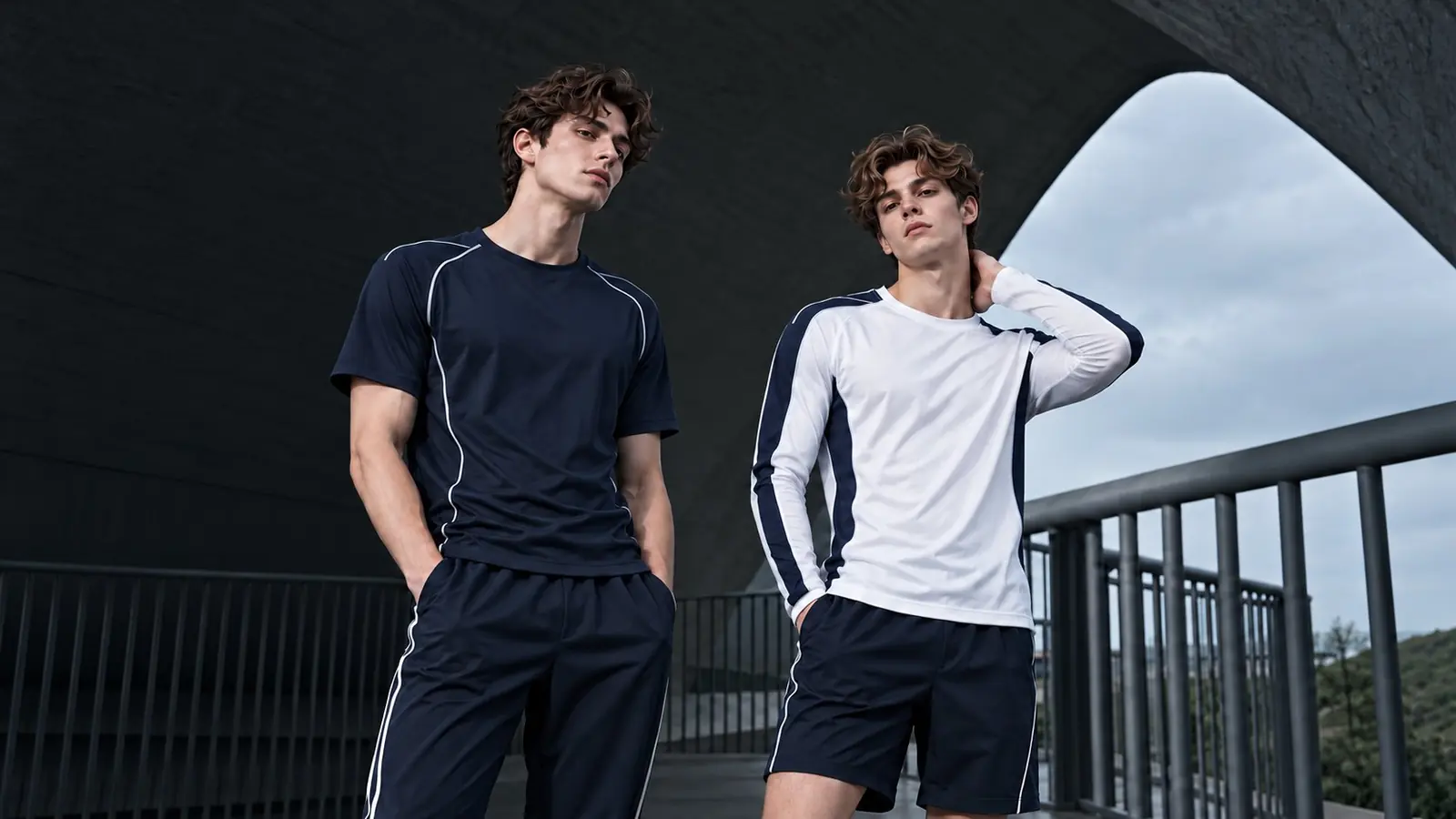
Custom sports tops developed around neckline, panel placement, fit and stitch construction.
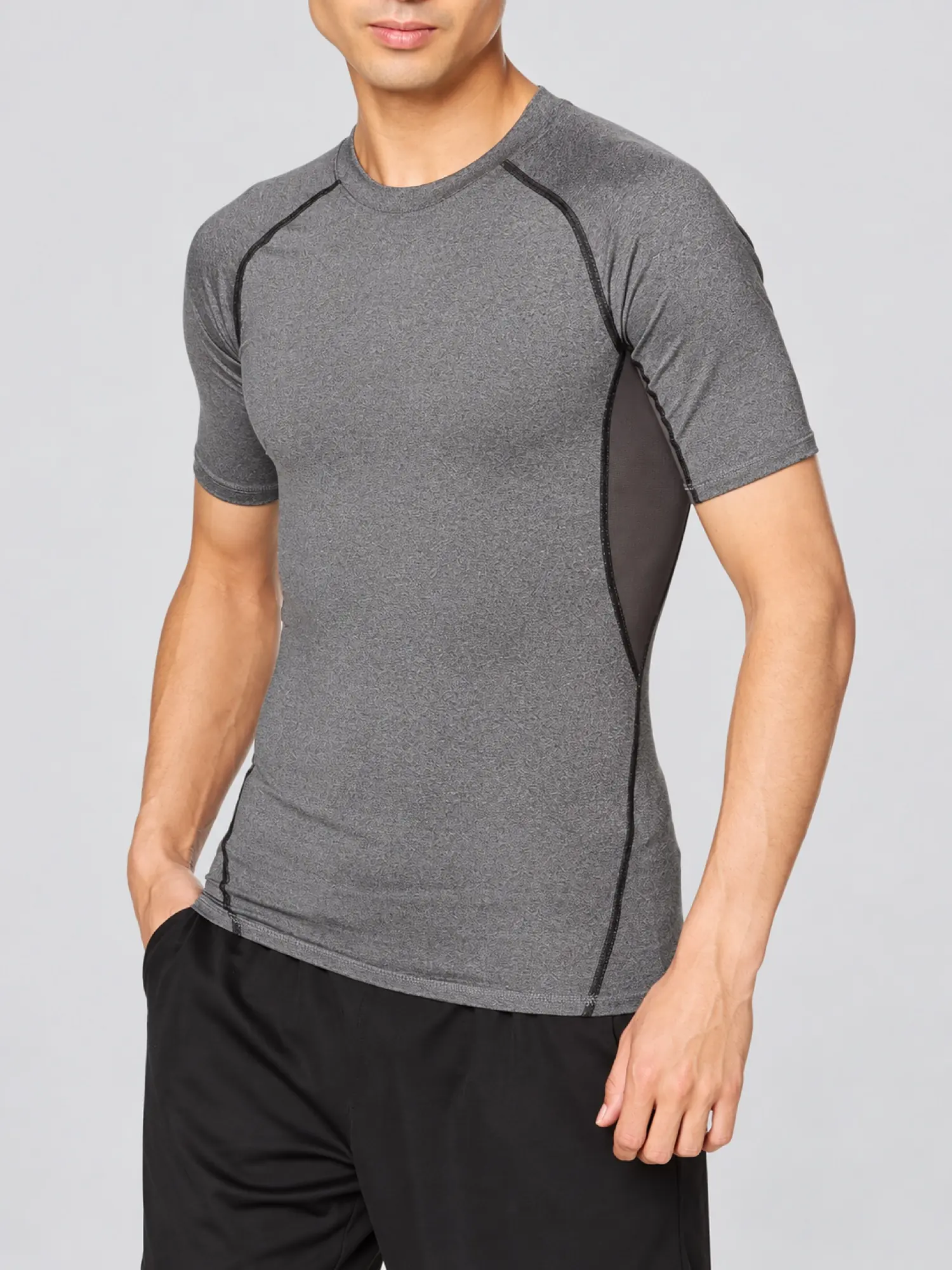
A training T-shirt can prioritize shoulder mobility, controlled body ease and low-bulk seam placement. Confirm sleeve shape, hem length and whether the intended movements require more room across the back.
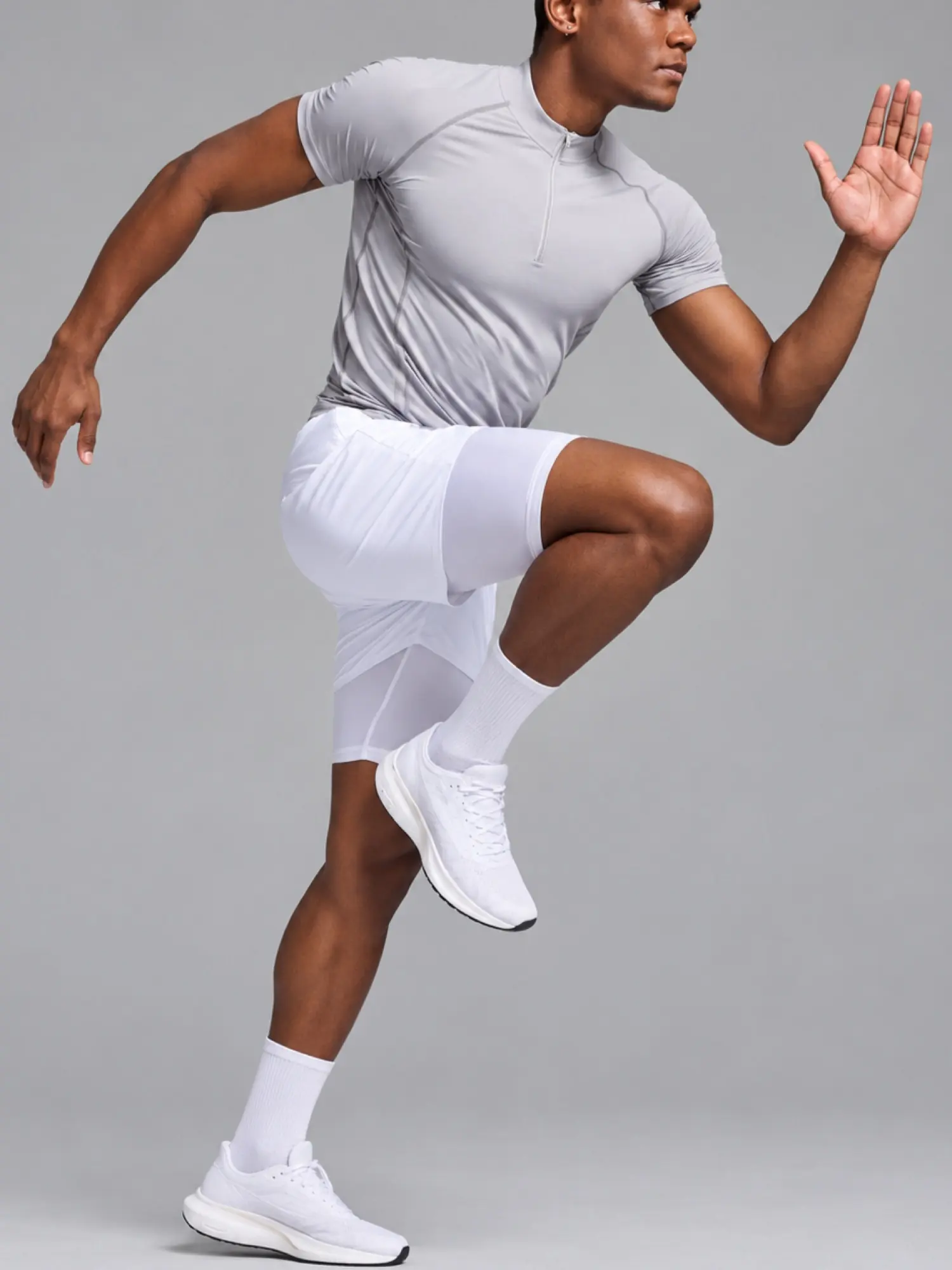
A running top may use a lighter construction with carefully placed ventilation panels. Fabric comfort, body length and chafe-prone areas should be reviewed together rather than promising breathability from fiber composition alone.
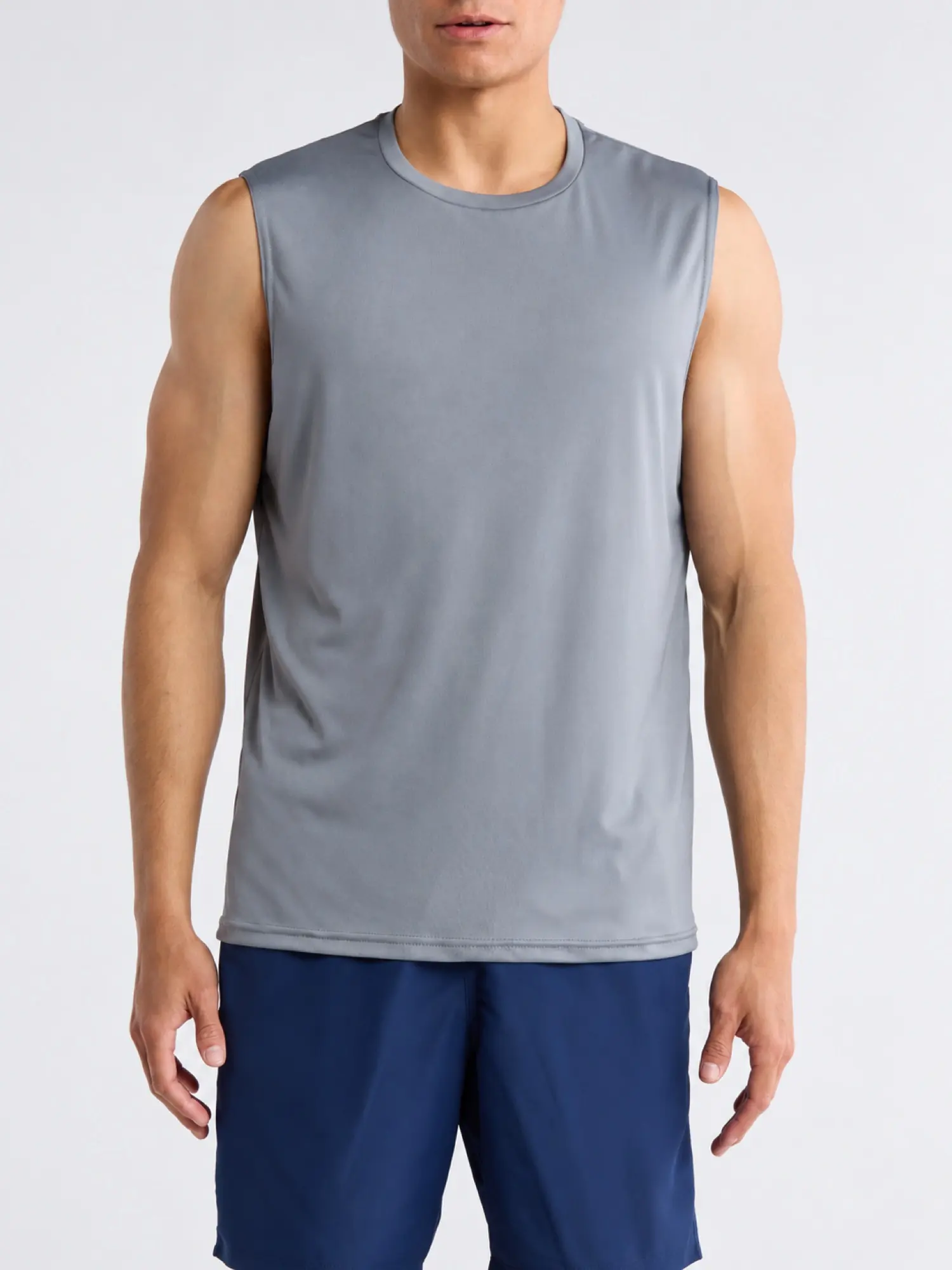
A tank top relies on armhole depth, shoulder strap width and neckline shape. Review coverage during lifting or stretching, especially if the brand asks for a relaxed or deep-cut silhouette.
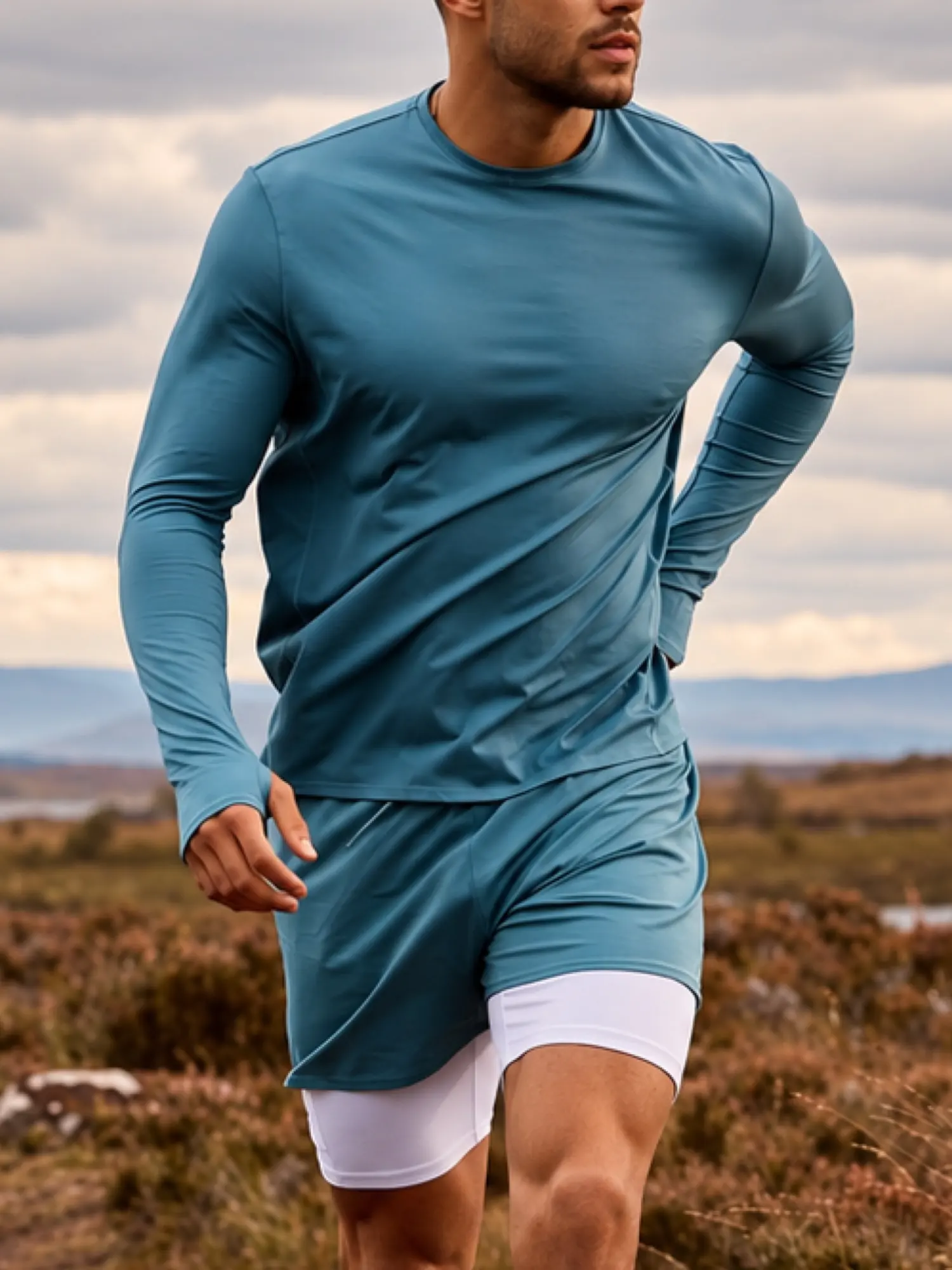
Long-sleeve training tops require coordination among sleeve length, cuff opening and body stretch. Thumb holes, mesh sections or reflective elements should be included only when they support the intended use.
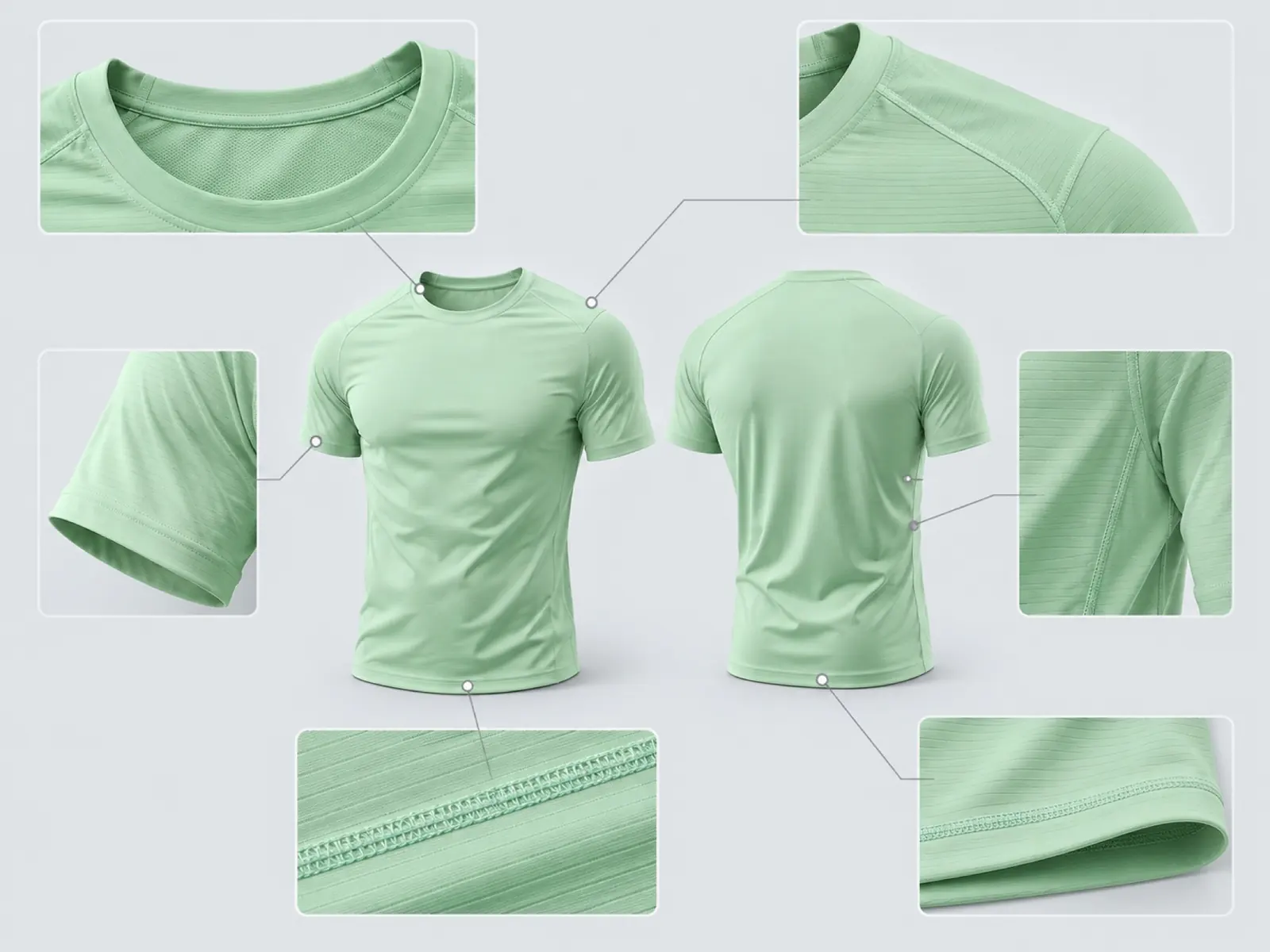
Neckline rib or self-fabric binding, sleeve shape, shoulder position and side panels are reviewed together; a change in one detail can alter the finished garment balance.
Underarm ease should support reach and overhead movement without creating excessive fabric bunching.
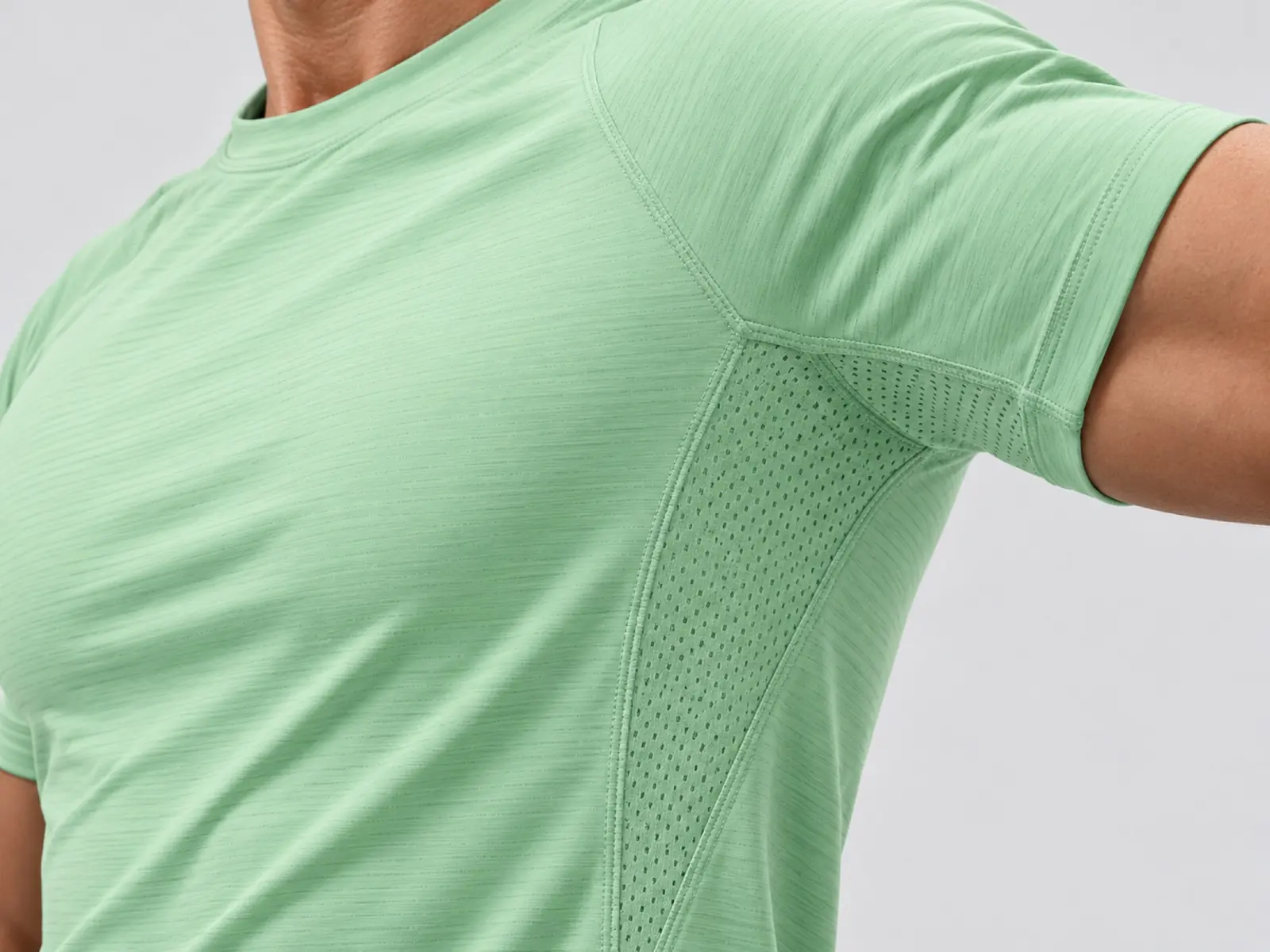
Choose side or back panels according to movement and appearance; verify compatible stretch and shrinkage.
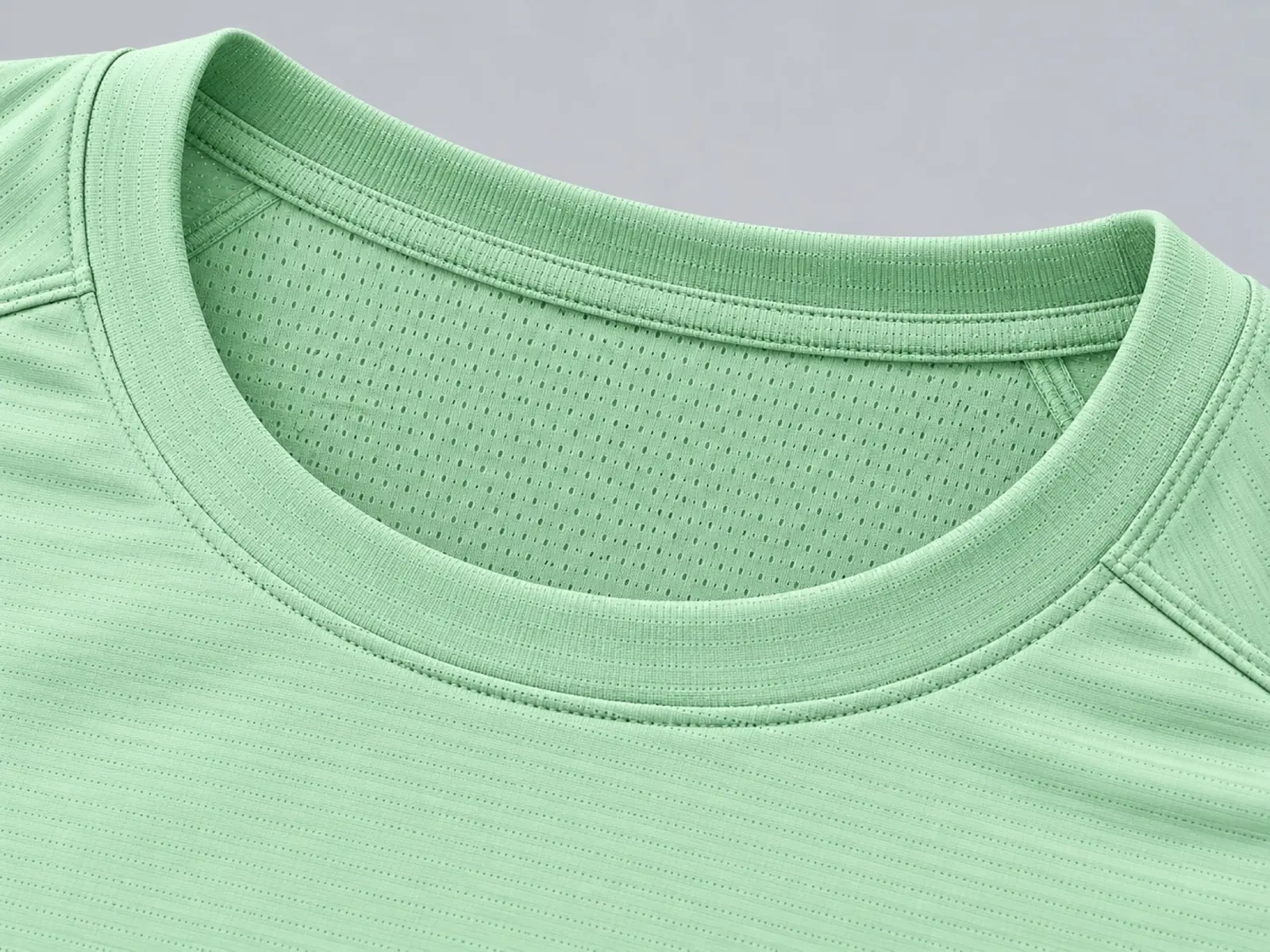
Consider seam position, seam allowance bulk and tagless-label compatibility with the selected fabric.
A gym training top and a running top may share a visual identity but require different pattern and ventilation decisions. For the training top, review shoulder movement, armhole shape and fabric coverage. For the running top, prioritize how fabric weight, seams and ventilation areas interact during repeated movement. Confirm both against intended use and sample wear.
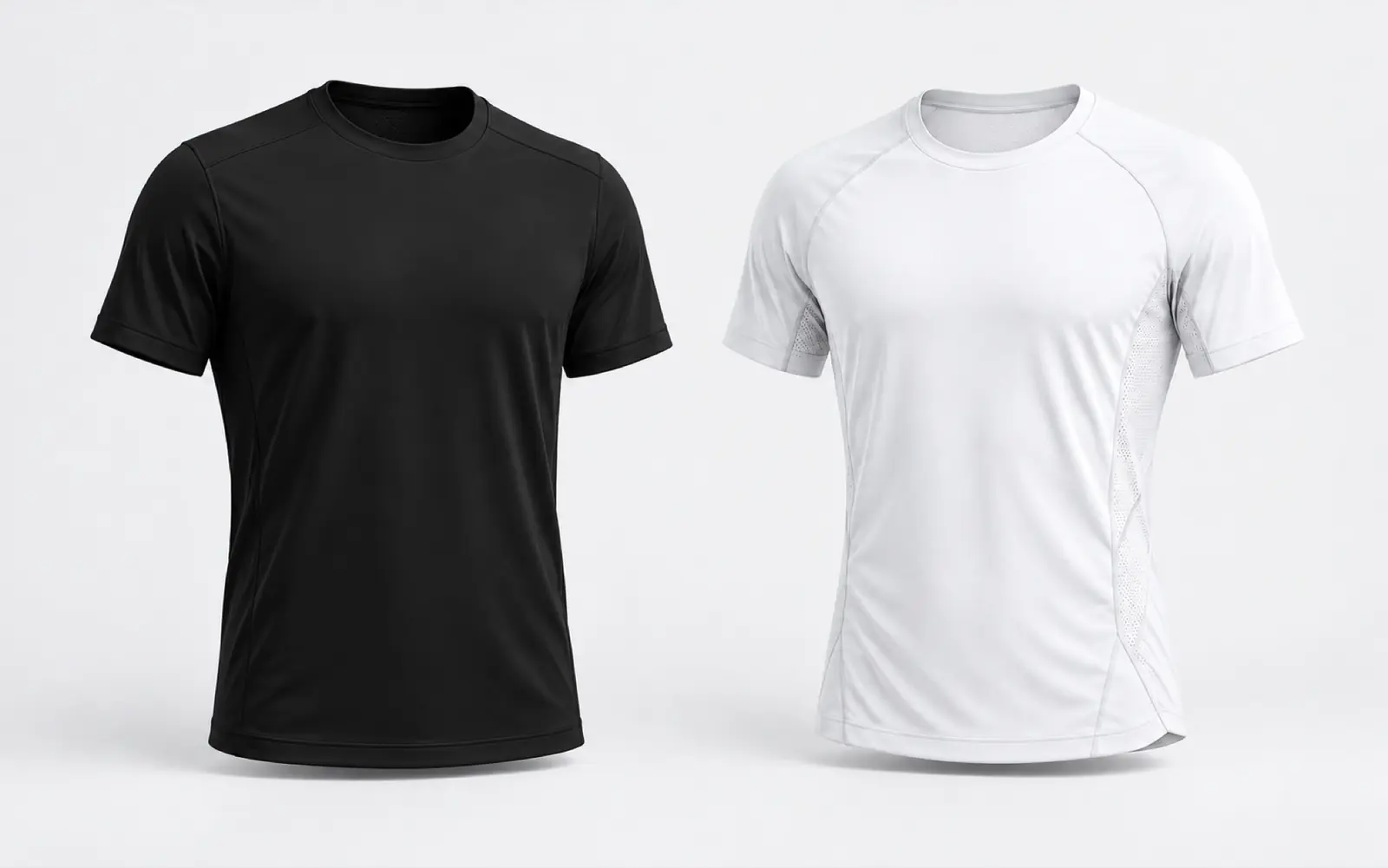
Category-specific notes. Full fabric, technique and branding details live on their specialist pages.
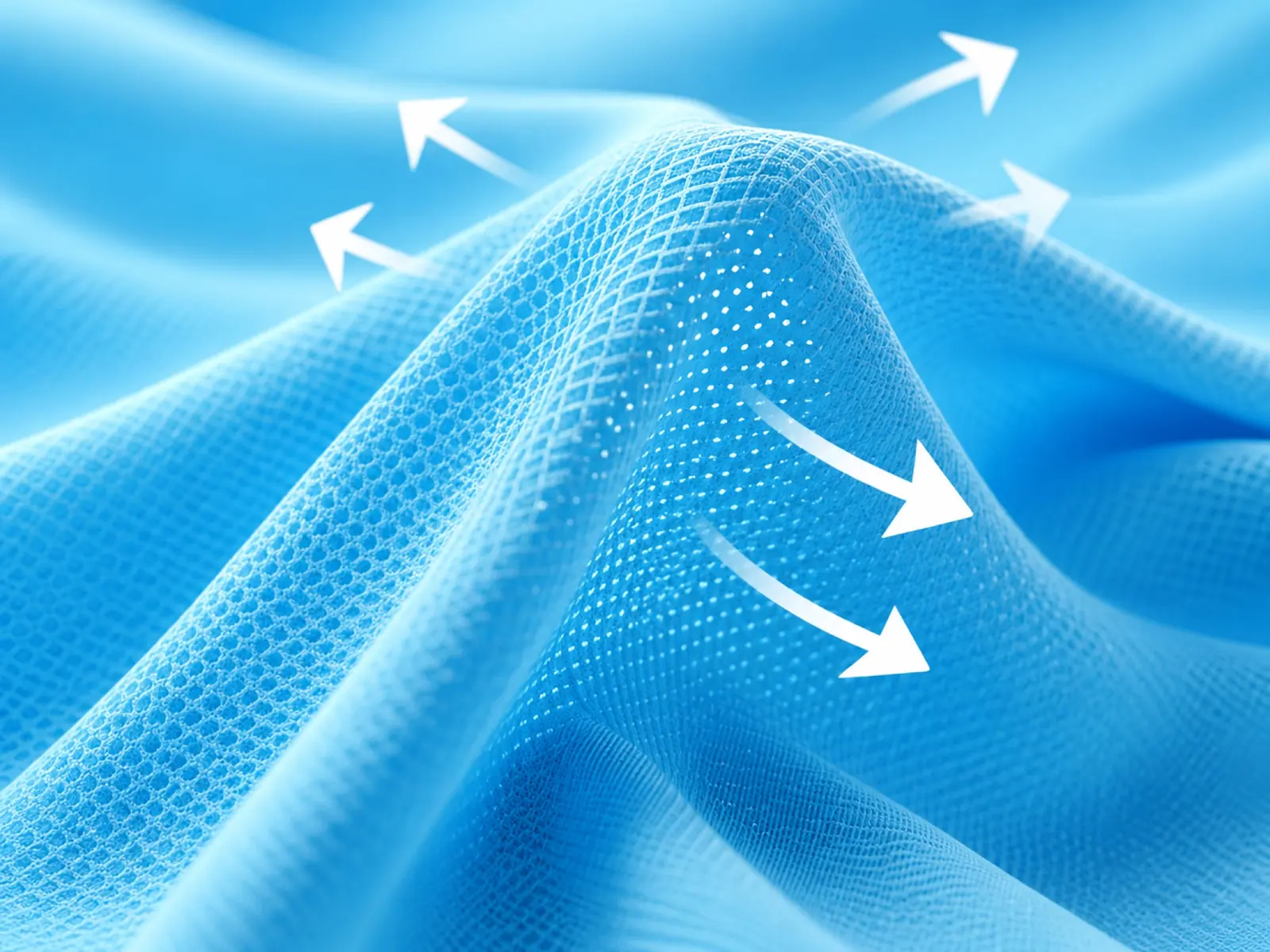
Polyester jersey, polyester-spandex knits, mesh panels and selected interlock or jacquard knits may be reviewed according to comfort, stretch and the intended activity.
Final fabric choice should be reviewed with reference samples, hand feel, available colors and the specified use; GSM and performance are confirmed per material.
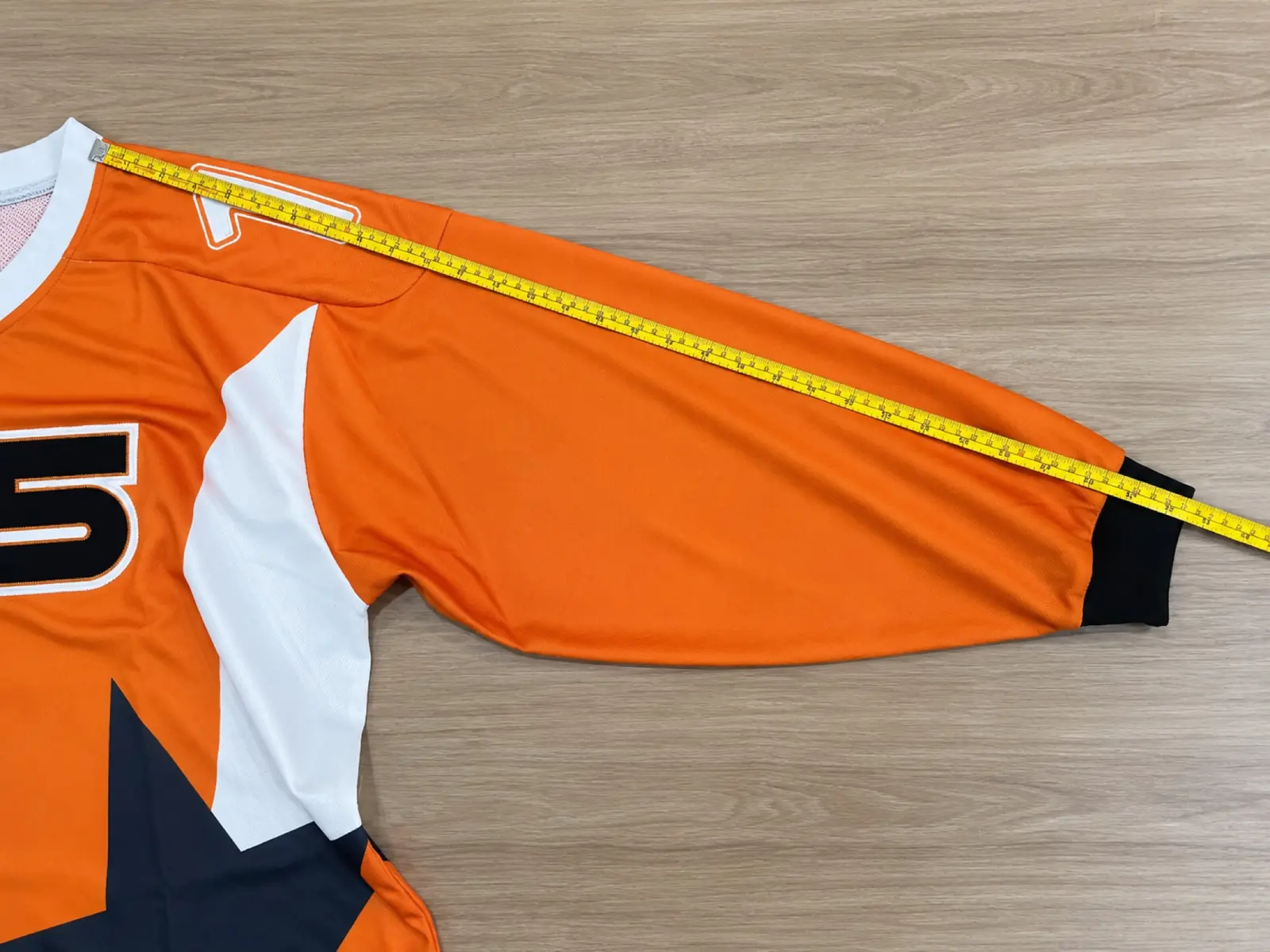
Confirm reference size, chest or waist, garment length, opening and activity allowance using a measured reference and sample—not size labels alone.
Share a target Pantone reference or physical swatch if available. We review suitable supplier colors or custom color-development options where feasible.
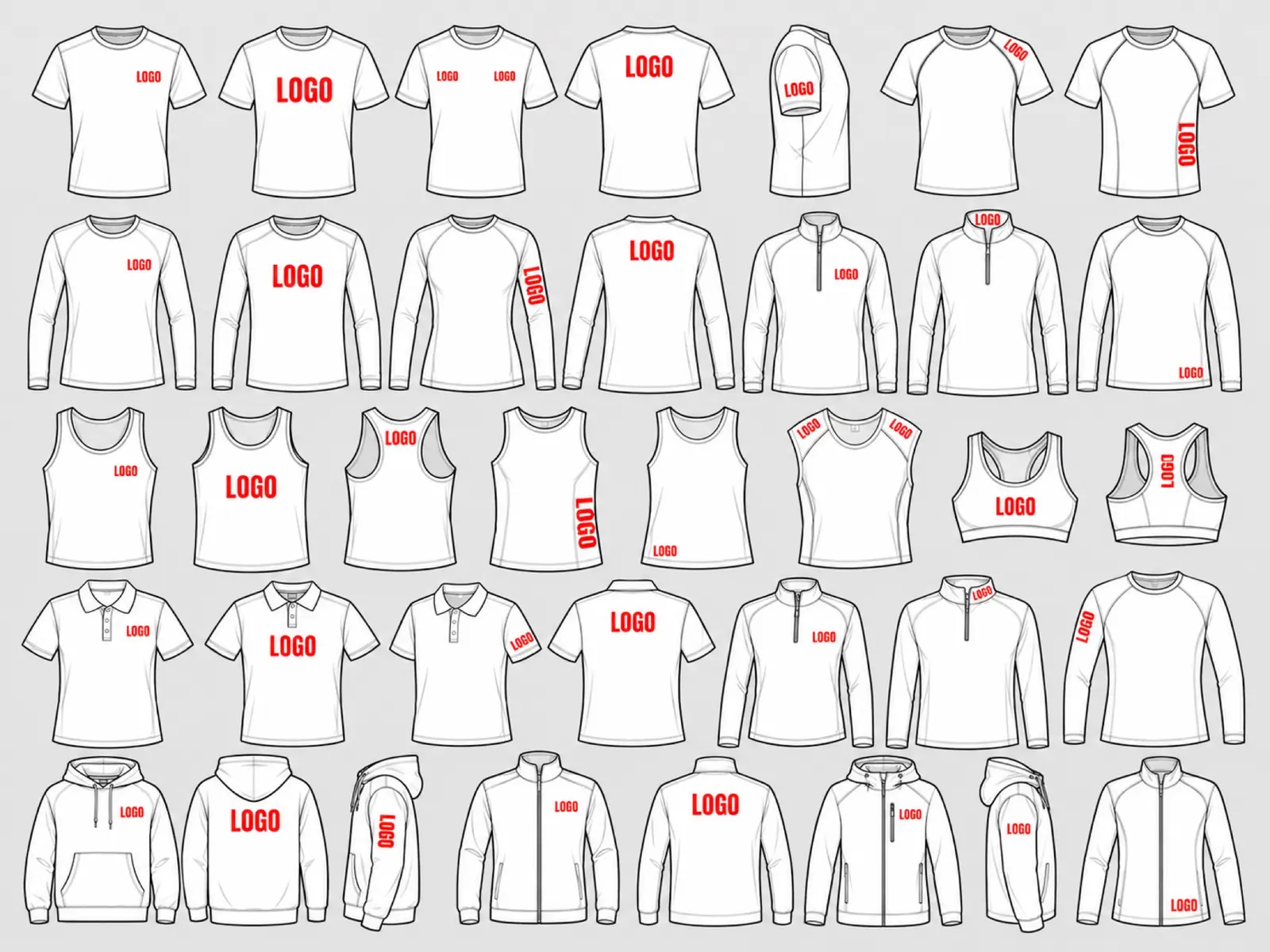
Chest graphics, sleeve logos and small heat-transfer details should be checked against stretch, seam placement and fabric texture.
Main labels, size labels, care labels, hangtags and packaging can follow one approved brand specification for the range.
Example only: share a product direction and reference, review materials and technical details, develop a sample, confirm measurements and artwork, then approve the production reference.
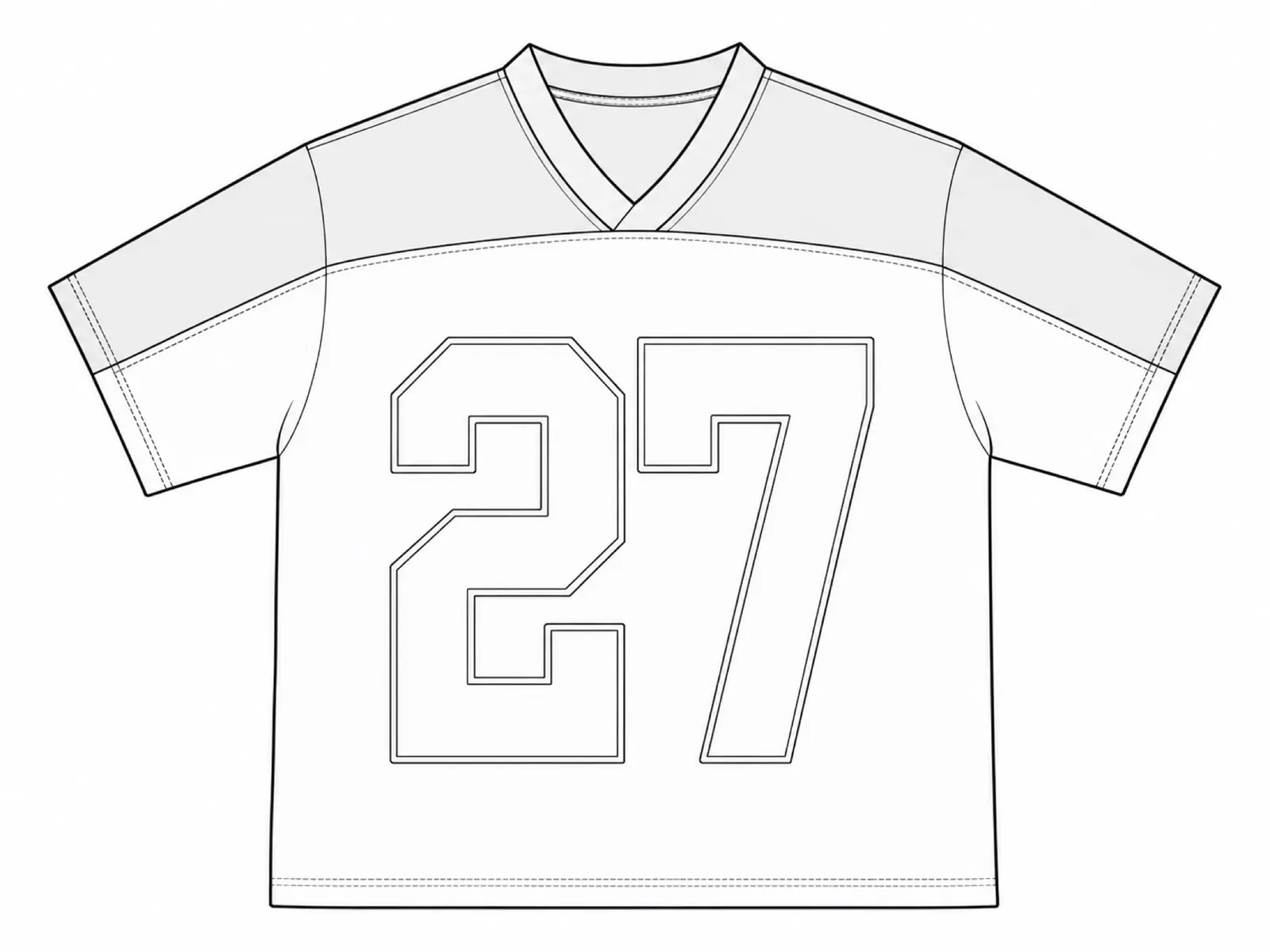
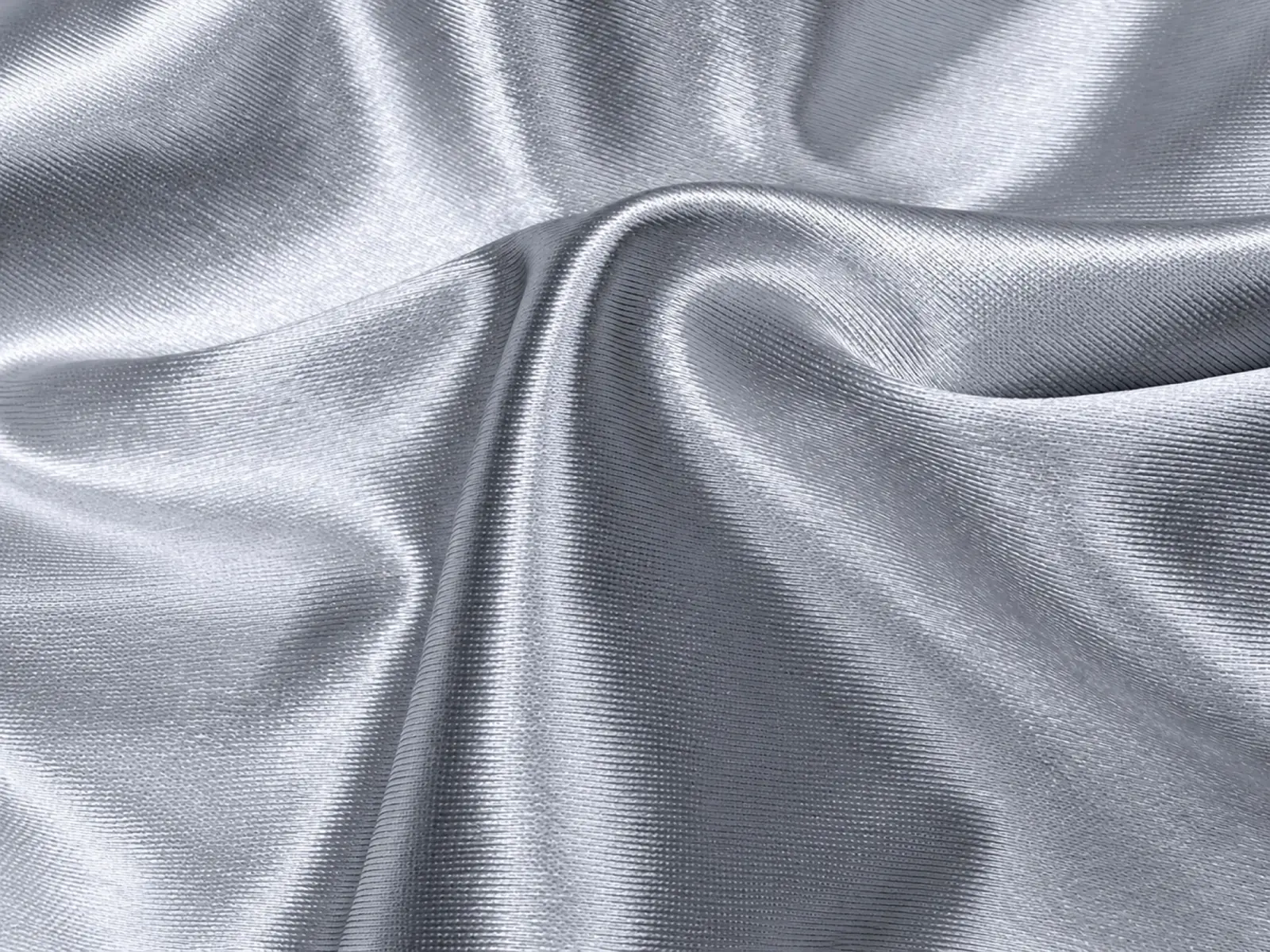
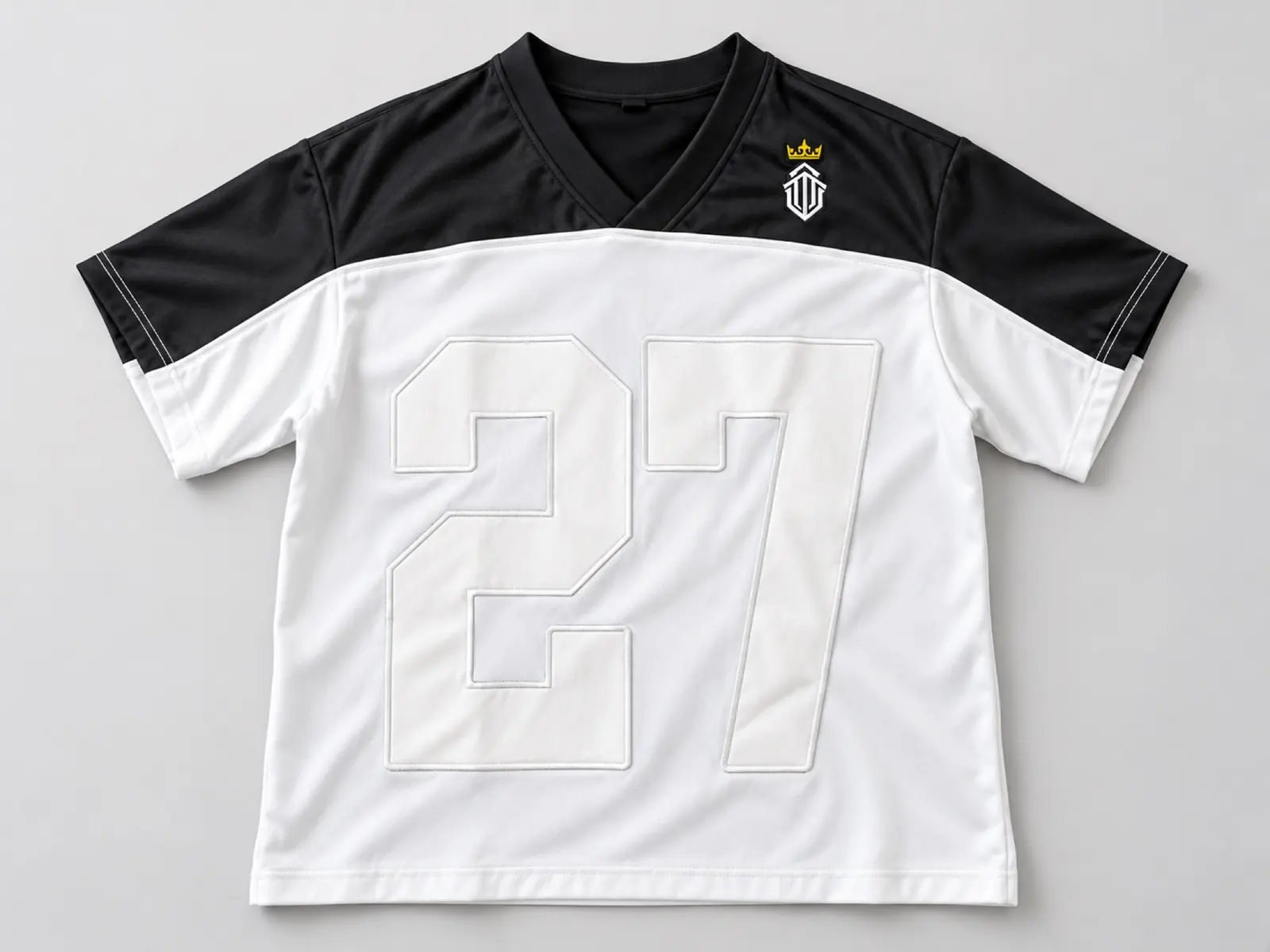
Details that help us review your T-Shirts & Tops project. Anything not yet decided can be marked “Not Sure Yet” in the project form.
Project minimums start from 50 pieces for applicable styles; final quantities depend on design, fabric, color and production requirements.
Not covered here? Send your project and ask us directly.
Yes. Neckline depth, binding, shoulder position and sleeve shape can be developed from approved references and measurements.
Mesh zones can be assessed for sides or back areas where the fabric and construction are compatible.
No. Performance depends on fabric construction and finishing; product claims should be supported by supplier information or testing.
Yes, as separate pattern directions. Shoulder, chest, body length, sleeve and hem proportions should be approved for each fit; simply increasing all measurements does not always create a balanced oversized shape.
A reference photo or annotated sketch showing panel shape and location is useful. We also need the base fabric, proposed mesh and target fit to review seam compatibility and appearance.

Send your design direction, quantity and references to begin a project review.